Germany gets a strange deal from the travel industry. It’s Europe’s largest economy, sits in the geographic center of the continent, and has more cultural, architectural, and natural variety per square kilometer than most countries twice its size. And yet, when people plan European trips, Germany is often the layover — the place you fly through on the way to Paris, Barcelona, or Rome. Maybe a night in Berlin. Maybe a quick Oktoberfest trip. Rarely the main event.
That’s a mistake. Germany is a destination that rewards depth over speed. It’s not a country that dazzles on first glance the way Italy does. It reveals itself gradually, through its medieval town centers, its forests, its obsessive culinary regionalism, and its quiet, confident competence at almost everything it does. Here are ten places that deserve more than a passing mention on your itinerary.
1. Munich
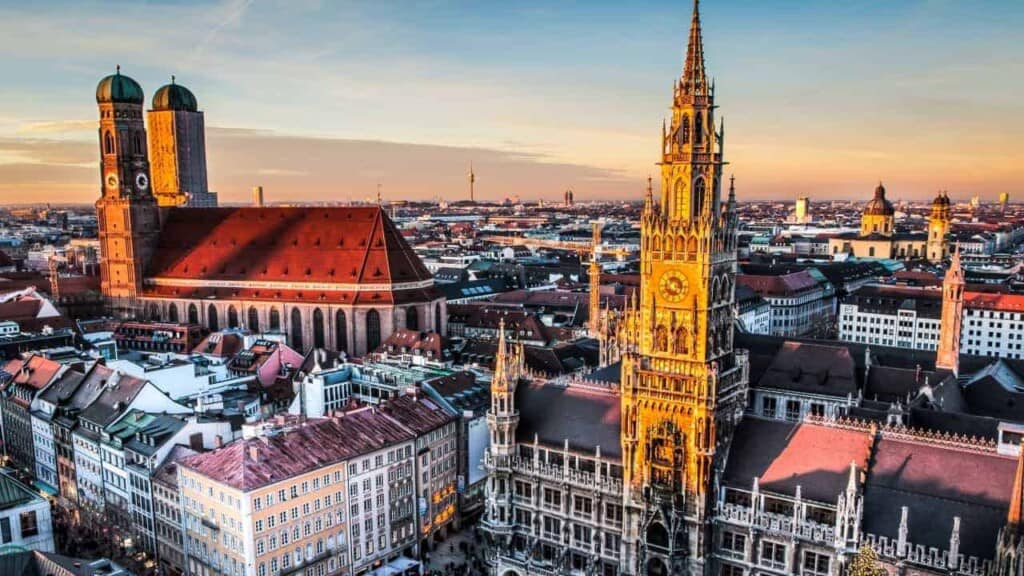
Munich is the city that visitors expect all of Germany to be, and it delivers. Beer gardens under chestnut trees. Architecture that alternates between baroque and modern with bewildering confidence. A food culture that treats pork knuckle, white sausage, and soft pretzels with the seriousness other countries reserve for fine dining.
But Munich is deeper than the beer-hall caricature. The Alte Pinakothek houses one of the finest collections of European painting in the world. The English Garden is larger than Central Park and contains a year-round surfing wave on a river. Day trips to Neuschwanstein Castle and the Bavarian Alps take less than two hours. Munich is the perfect introduction to Germany because it contains everything Germany does well: precision, tradition, beauty, and the quiet insistence that things should be done properly or not at all.
2. Berlin
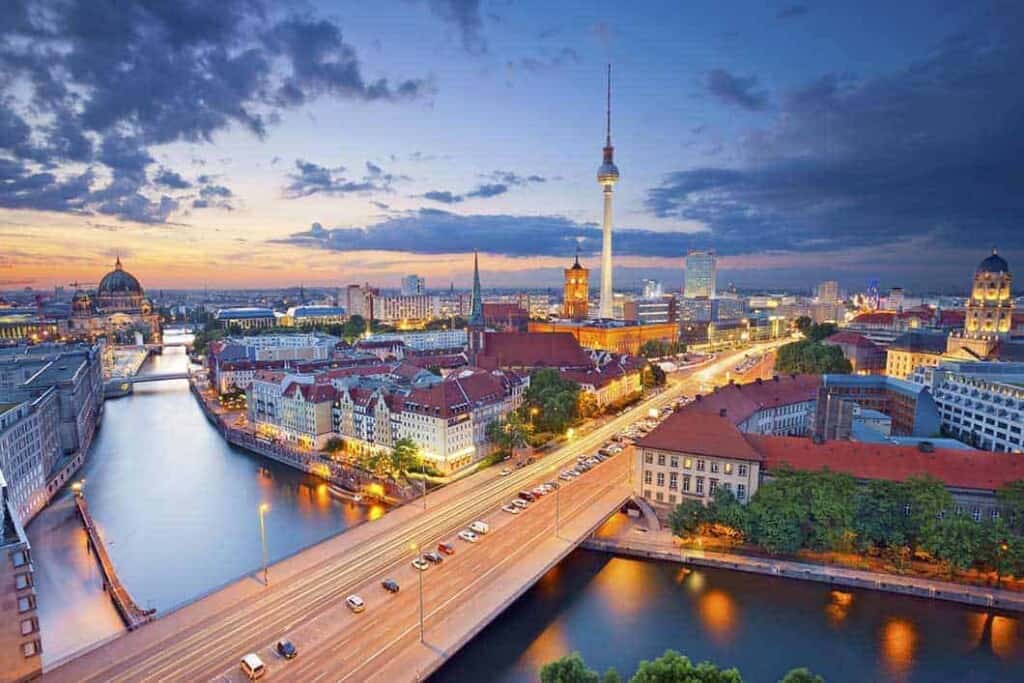
Berlin is the opposite of Munich in almost every way, and that’s the point. Where Munich is polished and traditional, Berlin is raw and experimental. The city was divided for decades, bombed nearly flat, rebuilt by two competing ideologies, reunified, and then reinvented as Europe’s creative capital. The layers of history are visible everywhere — in the graffiti on Cold War buildings, in the memorials embedded in sidewalks, in the clubs that operate in abandoned power stations.
Berlin is the city where you feel European history most viscerally. The Holocaust Memorial. The Topography of Terror. Checkpoint Charlie. The remnants of the Wall. These aren’t tourist attractions in the conventional sense. They’re confrontations. Germany doesn’t hide from its past. It builds monuments to its own shame, and that honesty is one of the most powerful things you’ll encounter as a visitor.
3. Heidelberg
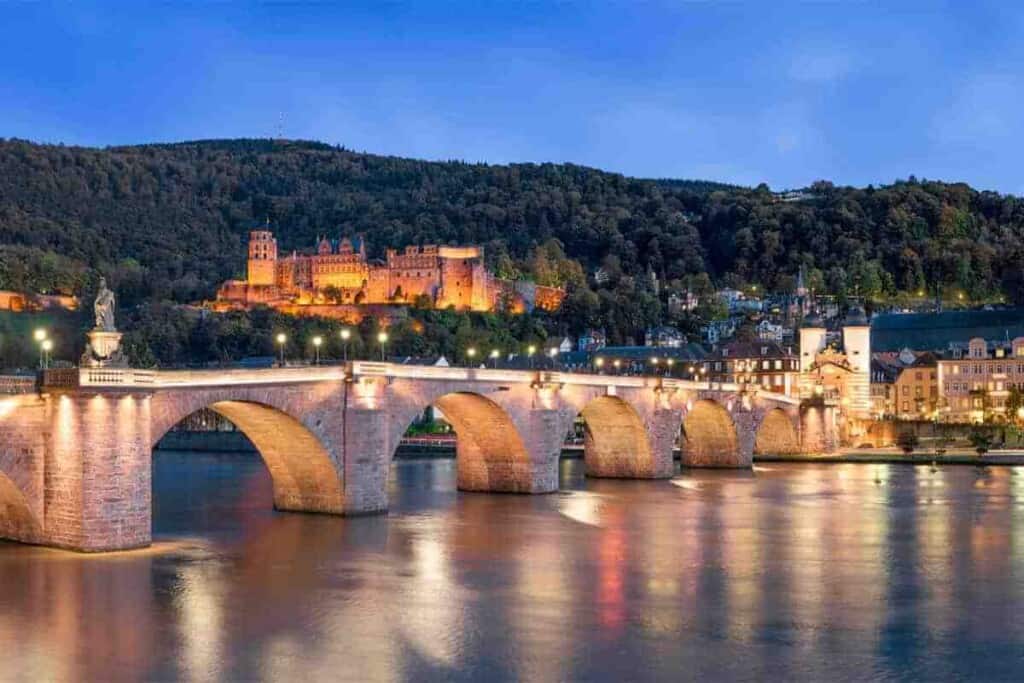
If you forced Germany to produce a picture-postcard town, it would look like Heidelberg. A thirteenth-century castle ruining itself photogenically on a hilltop. A river winding through a valley. A university that’s been in continuous operation since 1386. A pedestrian main street that takes forty-five minutes to walk and contains more history per block than some countries contain in total.
Heidelberg is small enough to cover in a day and rich enough to justify three. The Philosophenweg — the Philosophers’ Walk — is a hillside path with views over the Old Town that explains, in a single glance, why the German Romantics were the way they were.
4. The Black Forest

The Black Forest is not a single destination. It’s a region — a vast, dark, impossibly dense stretch of forested mountains in the southwest corner of Germany that feels like it belongs in a different century. The trees are so tall and so close together that the canopy blocks most sunlight, giving the forest the permanent dusk that earned its name.
Come here for hiking, for thermal baths, for cuckoo clocks that are actually handmade by actual artisans, and for Black Forest cake eaten in the Black Forest, which is a different experience entirely from eating it anywhere else. The town of Freiburg, on the forest’s edge, is one of Germany’s sunniest and most livable cities — a useful counterpoint to the forest’s gloom.
5. Dresden
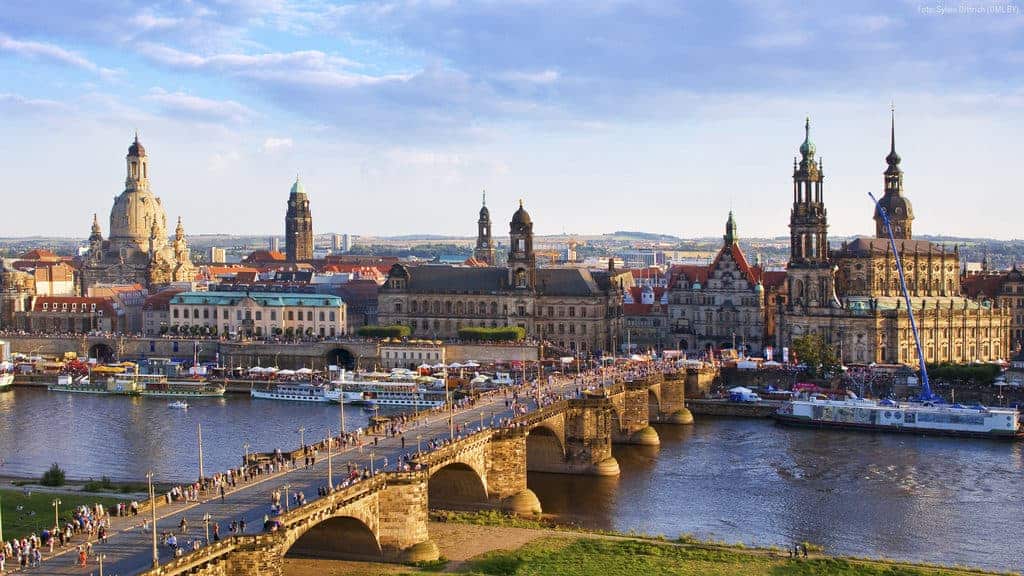
Dresden was firebombed in 1945 so thoroughly that rebuilding seemed impossible. They did it anyway. The Frauenkirche — the Church of Our Lady — was reconstructed stone by stone over a decade, using original materials wherever possible. The result is a building that looks centuries old because it is, even though it was finished in 2005. The darker stones are original. The lighter ones are new. The mosaic of old and new is both beautiful and devastating.
The old town, the Zwinger Palace, the Semper Opera House — Dresden is a masterclass in what happens when a culture decides to rebuild rather than forget. It’s also significantly cheaper than Munich or Berlin, with fewer tourists and some of the best baroque architecture in Europe.
6. Hamburg
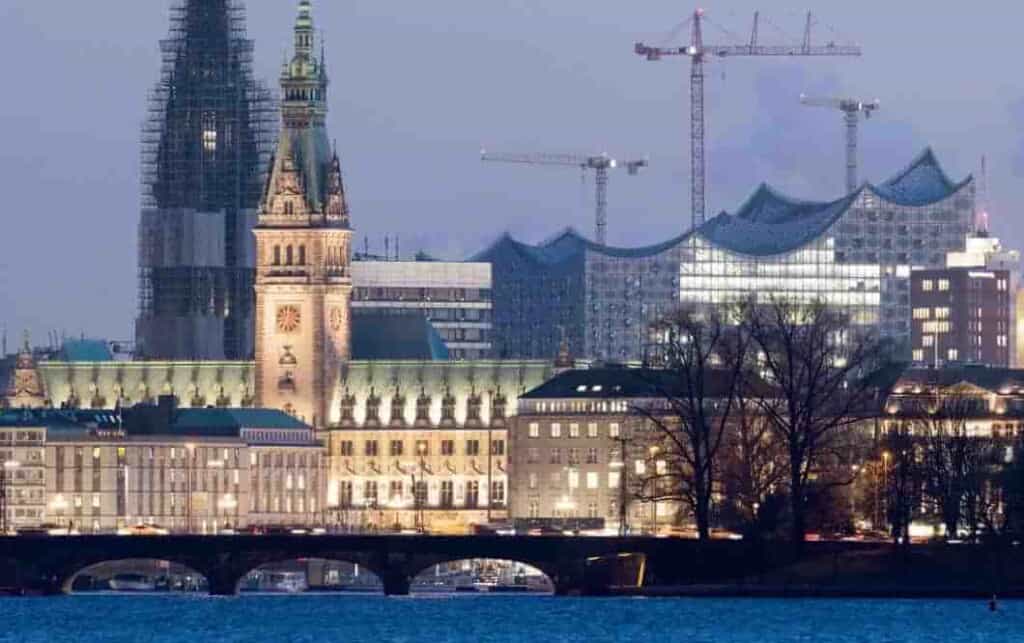
Germany’s second city and its largest port. Hamburg has the maritime grit of a working harbor and the cultural ambition of a capital. The Elbphilharmonie concert hall, opened in 2017, is one of the most striking buildings in Europe — a glass wave perched on a 1960s warehouse, housing one of the world’s best acoustics. The Speicherstadt warehouse district, a UNESCO World Heritage site, is a city within a city: red-brick Gothic buildings lining canals that make Amsterdam look understated.
Hamburg’s Reeperbahn — the entertainment district where the Beatles played before they were the Beatles — is rougher around the edges than most tourist districts and more interesting for it. The Sunday-morning Fischmarkt is controlled chaos: fresh fish, live music, and crowds of people who haven’t been to bed yet mixing with people who got up early. It’s Hamburg distilled.
7. Rothenburg ob der Tauber

The most well-preserved medieval town in Germany, and it knows it. Rothenburg is a tourism machine, but it earned the attention honestly: the town walls are intact, the half-timbered houses are real, and the Christmas market is the one that all other German Christmas markets are compared to. Visit off-season if possible. In summer it’s crowded. In winter, with snow on the rooftops and lights in the windows, it’s transcendent.
8. The Rhine Valley

The stretch of the Rhine between Koblenz and Rüdesheim is a UNESCO-listed corridor of medieval castles, steep vineyards, and river towns that look like they were designed by someone who’d read too many fairy tales. A river cruise covers the highlights, but renting a car and stopping at the smaller towns — Bacharach, St. Goar, Oberwesel — gives you the Rhine that the cruise ships pass too quickly.
The wines from this region, particularly the Rieslings, are among the best in the world and cost a fraction of what equivalent-quality wines cost from France. Drink them on a terrace overlooking the river and try to imagine a more civilized way to spend an afternoon.
9. The Bavarian Alps

The German Alps are smaller than their Austrian and Swiss counterparts but no less beautiful, and significantly less crowded. Garmisch-Partenkirchen is the hub — a twin town at the foot of the Zugspitze, Germany’s highest peak, reachable by cable car in ten minutes. The views from the top are absurd: four countries visible on a clear day, glacial lakes below, and a silence at altitude that the valleys below can’t offer.
Berchtesgaden National Park, further east, contains the Königssee — a lake so clean that it’s classified as a drinking water source, surrounded by cliffs that create an echo the boat operators demonstrate by playing a trumpet across the water. It’s the most dramatic natural scenery in Germany, and it’s accessible from Munich in under two hours.
10. Cologne
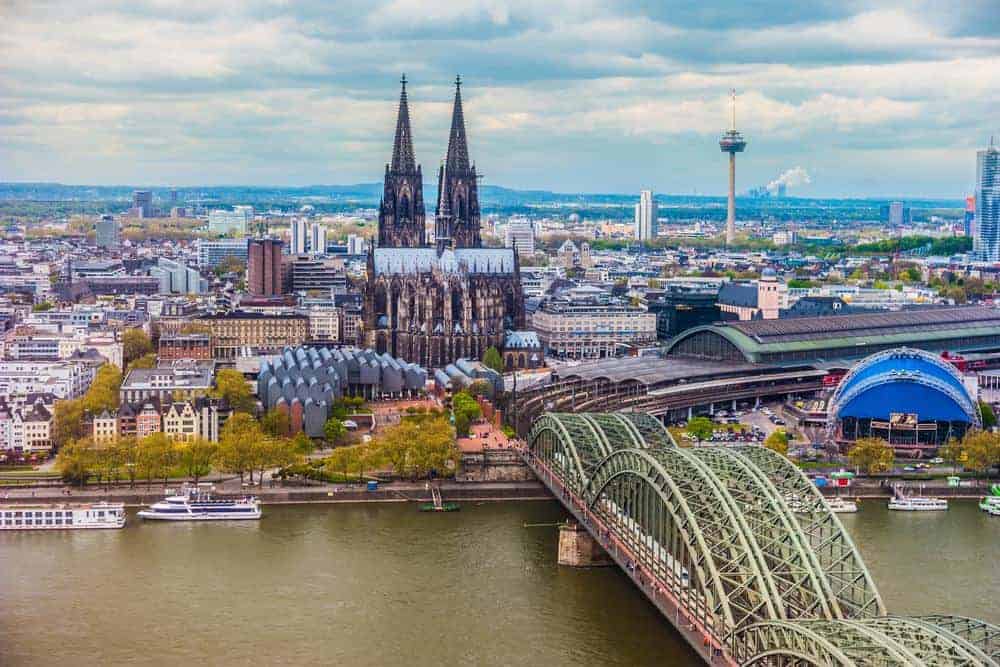
Cologne’s cathedral is the most visited landmark in Germany, and seeing it in person explains why. It’s not just big. It’s audaciously, impossibly, almost aggressively big — a Gothic structure that took over six hundred years to complete and dominates the skyline in a way that makes everything around it look temporary. You step out of the train station and it’s right there, filling your entire field of vision. Nothing prepares you for the scale.
Beyond the cathedral, Cologne is one of Germany’s friendliest cities. The Kölsch culture — the local beer served in small glasses by servers who keep bringing them until you place a coaster on top — is its own social institution. The old town along the Rhine, the chocolate museum, the street art scene, and the city’s carnival (the third-largest in the world) give Cologne enough personality to justify several days.
The Germany Between the Destinations
The best thing about Germany isn’t any single city or landmark. It’s the infrastructure that connects them. The trains run — famously, reliably, often. The autobahn covers the country. The rest stops have better food than restaurants in some countries. The signage is clear. The systems work.
This means that the Germany between the destinations — the small towns, the roadside bakeries, the random castle on a hill that wasn’t in any guidebook — is as accessible as the headline attractions. And it’s in these between-places that Germany reveals its deepest quality: the quiet competence of a country that takes everything seriously, from beer to engineering to remembering its own history, and does all of it extraordinarily well.