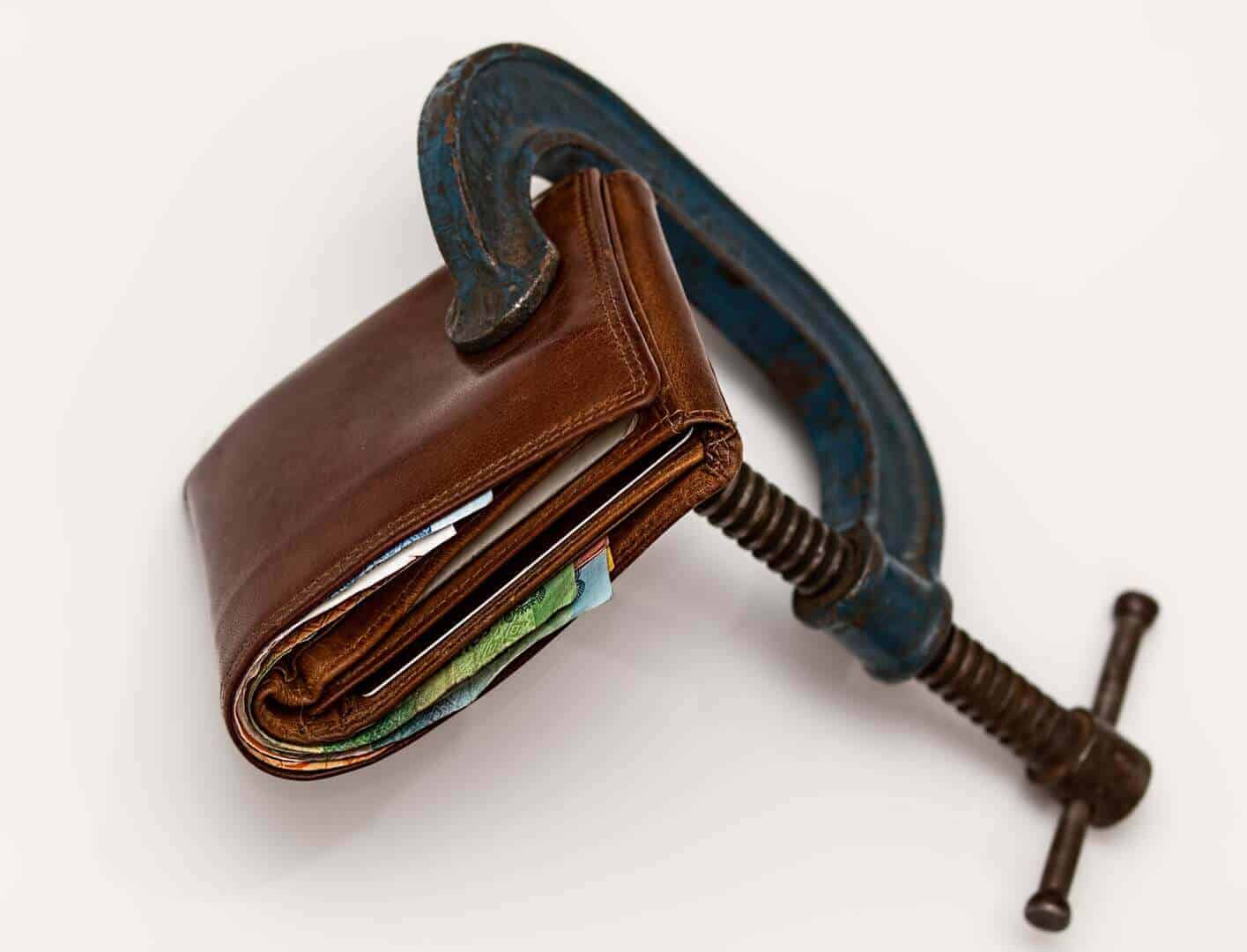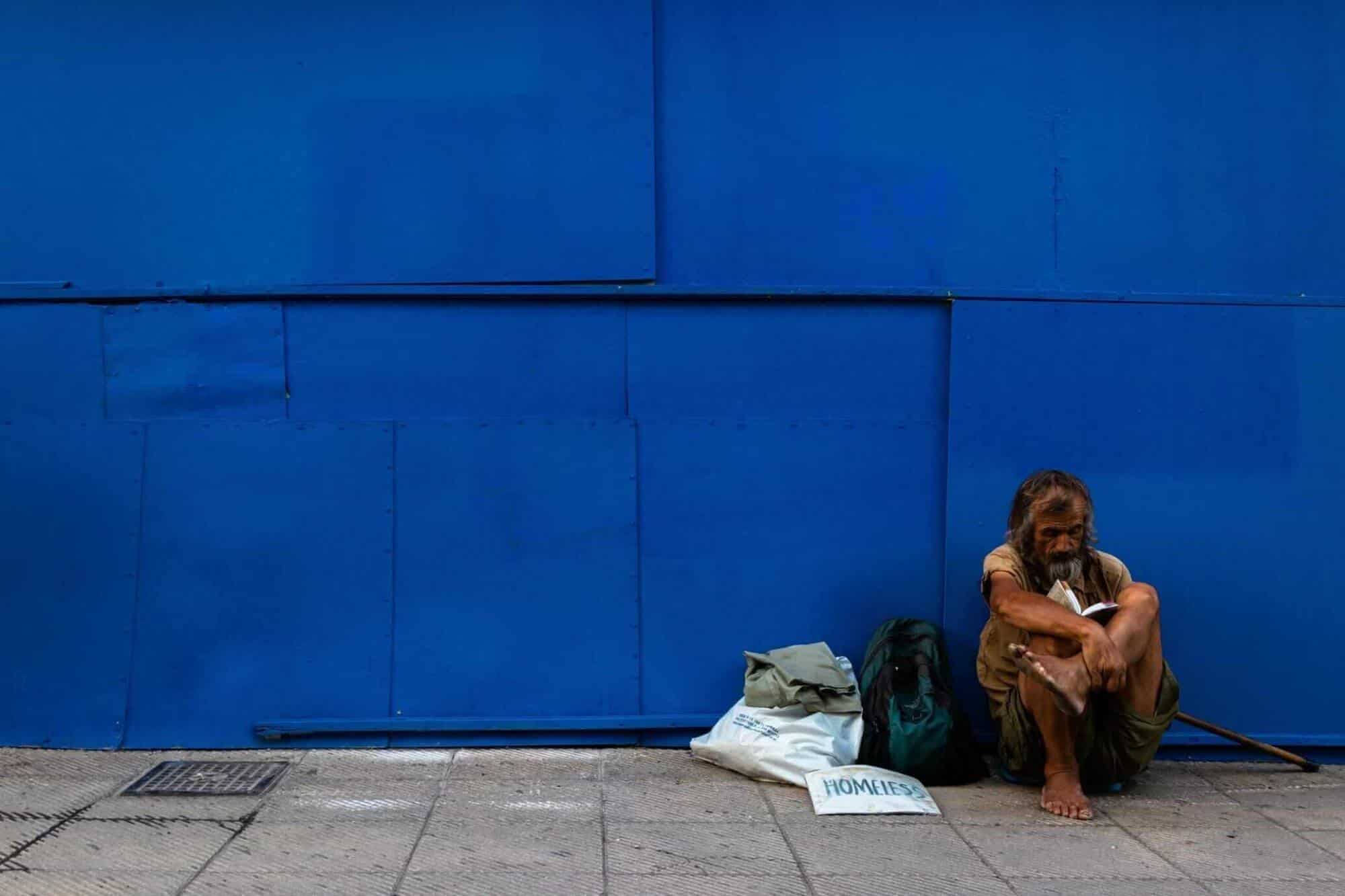
I moved to the Middle East with almost nothing. A suitcase, a few hundred dollars, and a confidence that bordered on delusion. Within two weeks, seventy percent of my salary was gone to rent, and I was calculating whether I could afford both lunch and dinner on the same day. Not metaphorically. Literally doing math in the grocery store, putting things back on the shelf, choosing between bread and eggs because both felt extravagant.
That period lasted about a year. It was, without exaggeration, the most uncomfortable twelve months of my life. It was also, in retrospect, the most formative. Because being broke didn’t just teach me about money. It taught me about myself — what I actually need versus what I think I need, what I’m willing to endure, and how much of my identity had been quietly built on things I could buy rather than things I could do.
I wouldn’t wish it on anyone. But I wouldn’t trade it either.
You Discover What You Actually Need
When money is abundant, needs and wants blur. You “need” the streaming subscription, the takeout, the new jacket, the upgraded phone. You’ve never tested these needs against actual scarcity, so they feel non-negotiable. They’re woven so deeply into your daily routine that removing any one of them feels like losing something essential rather than something optional.
Then you go broke. And suddenly, the list of actual needs — the things you physically cannot survive without — shrinks to almost nothing. Shelter. Food. Water. Transportation to work. A phone that makes calls. That’s it. Everything else is preference.
This discovery doesn’t make you an ascetic. You don’t emerge from poverty wanting nothing. You emerge knowing the difference between what you need and what you want, and that distinction is worth more than most financial advice, because it inoculates you against the lifestyle inflation that keeps people earning six figures and feeling broke. The person who has never been without genuinely cannot distinguish between necessity and habit. The person who has been without will never confuse them again.
Resourcefulness Replaces Spending
Rich people solve problems with money. Broke people solve problems with ingenuity. And ingenuity, once developed, stays with you forever, even after the money returns.
When I couldn’t afford a gym, I did push-ups in my room and ran stairs in my building. When I couldn’t afford restaurants, I taught myself to cook with four ingredients and a hot plate — and discovered that eggs, rice, onions, and soy sauce could be combined in about fifteen different ways before you got bored. When I couldn’t afford entertainment, I borrowed books from colleagues and discovered that I actually liked reading — something I’d never have learned if Netflix had been an option.
Every solution I invented during that year was born from a closed door. And each closed door forced me to find a window that I wouldn’t have looked for otherwise. The window was usually better than the door.
Constraints breed creativity. This is true in art, in business, and in daily life. The person who has navigated scarcity has a problem-solving toolkit that the person who has always had resources simply doesn’t. Not because they’re smarter. Because necessity forced them to develop muscles that comfort never exercises.
Your Social Circle Gets Honest
Nothing reveals who your real friends are faster than having nothing to offer. When you can’t pick up tabs, can’t attend events, can’t reciprocate invitations — the people who stick around are the ones who actually like you, not your wallet or your social utility.
This is painful. You will lose people. Some you thought were close. Some you considered family. And the loss will sting because it confirms something you didn’t want to know: the relationship was transactional, and the transaction just ended.
But the people who remain — the ones who show up with groceries instead of excuses, who invite you to free things instead of expensive ones, who treat you exactly the same regardless of your bank balance — those people are gold. They’re the foundation you build on when things improve. And they will improve. The relationships that survive financial hardship are the ones that can survive anything, because they’ve already passed the hardest test a friendship can face: the removal of everything except the friendship itself.
You Learn to Tolerate Discomfort
Comfort is addictive. And like most addictions, the tolerance builds. What felt luxurious at twenty feels baseline at thirty. The apartment, the car, the lifestyle — each upgrade becomes the new floor, and the idea of going below it feels catastrophic.
Going broke resets the floor. Violently. Uncomfortably. But once you’ve survived below the level you thought was your minimum, the fear of falling loses its power. You’ve been there. You lived. You adapted. You ate rice and eggs for the fourth time that week and the world didn’t end. The worst-case scenario stopped being imaginary and became a memory, and memories — unlike fears — don’t control you.
This is the real gift of financial hardship: not toughness in the macho sense, but liberation from the specific fear that keeps most people trapped in jobs they hate, relationships that diminish them, and lives they didn’t choose. The person who has been broke and survived is free in a way that the person who has always been comfortable is not, because they know — not theoretically, but from lived experience — that they can handle the bottom. And that knowledge removes the threat that the bottom holds over every decision.
Money Becomes a Tool, Not an Identity
Before I went broke, money was tied to my self-worth. More money meant I was doing well. Less money meant I was failing. My bank balance was a scorecard, and every purchase was either a reward or a punishment. I didn’t just spend money. I performed spending — choosing restaurants and brands and experiences that communicated a version of success I wasn’t sure I’d actually achieved.
After going broke, money became what it actually is: a tool. A medium of exchange. Useful, important, necessary — but not a measure of who I am or what I’m worth. The shift sounds small. It changed everything.
When money is identity, every financial decision carries existential weight. Should I buy this? Can I afford this? What will people think? When money is a tool, the questions get simpler: Does this serve me? Is this a good use of resources? What’s the opportunity cost? The emotional charge drains out, and what’s left is clarity. You spend less, not because you’re afraid, but because most things you used to buy were purchased to maintain an image that was never really you.
The Caveat Nobody Mentions
Let me be clear about something: poverty is not a virtue. Struggling is not inherently noble. The romanticization of being broke — “hustle culture,” “starving artist” mythology, the idea that suffering builds character as if suffering were the only way to build it — is dangerous nonsense that keeps people tolerating conditions they should be fighting to escape.
The value of going broke is not the going broke. It’s what you learn while you’re there, and what you do with that knowledge when you leave. If you stay broke because you’ve romanticized the struggle, you’ve learned nothing. If you escape broke having stripped your relationship with money down to its honest essentials, you’ve learned something that no amount of comfort could have taught you.
And let’s be honest about privilege: some people go broke and recover. Others go broke and stay there, not because they learned less, but because the structural barriers to recovery — healthcare costs, student debt, lack of family safety net, systemic inequality — are real and enormous. The lessons of poverty are universal. The ability to leave poverty is not. Acknowledging that matters.
What Stays With You
I make good money now. I live comfortably. I don’t calculate whether I can afford lunch and dinner on the same day. But the year I spent doing exactly that left permanent marks, and every one of them is useful.
I know what I actually need. I know who my real friends are. I know that I can survive discomfort. I know that money is a tool, not a verdict. I know that resourcefulness outlasts every bank balance. And I know, with absolute certainty, that the worst-case financial scenario is survivable — because I’ve survived it, and what I found on the other side wasn’t devastation. It was clarity.
If you’re broke right now, I’m not going to tell you it’s a gift. It doesn’t feel like one. But I will tell you this: the person you become on the other side of this will be someone the comfortable version of you could never have been. And that person — stripped of pretense, armed with resourcefulness, free from the fear of falling — is worth more than anything money can buy.