

Somewhere around middle school, I became exquisitely attuned to what other people thought of me. Every raised eyebrow, every group conversation I wasn’t invited into, every moment of silence after I said something — I catalogued it all. Filed it under “evidence that I’m not enough.”
By my twenties, this had calcified into a lifestyle. I dressed to avoid negative attention, not to express anything. I agreed with opinions I didn’t share because disagreement felt dangerous. I chose career moves based on what sounded impressive at dinner parties. My life was a mood board assembled from other people’s expectations, and the person living it — the actual me — was buried somewhere underneath, breathing through a straw.
Sound dramatic? Maybe. But I’d bet a decent percentage of you recognized something in that description. Because opinion dependence isn’t rare. It’s the factory setting for most human beings. The rare thing is breaking free from it.
Where This Starts
Almost always, childhood. Parents who withheld approval unless you performed. Teachers who punished independent thought. Peers who enforced conformity with the ruthless efficiency that only children possess.
The message was consistent and clear: acceptance is conditional. You earn love by being what other people want you to be. And because children are survival machines, you adapted. You learned to read rooms, anticipate reactions, shape-shift to avoid rejection. These were smart strategies for a seven-year-old. The problem is that thirty years later, you’re still running the same software.
What It Costs You
Opinion dependence isn’t just uncomfortable. It’s expensive. It costs you in ways you don’t immediately see because the losses are diffuse and gradual:
- You don’t take the risk. The business you didn’t start. The relationship you didn’t pursue. The move you didn’t make. Not because it was wrong, but because someone might have thought it was.
- You don’t speak honestly. Your real opinions stay locked in your head while a sanitized, crowd-tested version comes out of your mouth. Over years, you lose track of which version is actually you.
- You attract the wrong people. When you perform a version of yourself, the people drawn to you are drawn to the performance. The relationships that result are shallow by design, because they’re built on a character that doesn’t exist.
- You hand your power away. Every time you change course based on someone else’s opinion, you’re training yourself to believe that your own judgment is unreliable. Over time, it becomes a self-fulfilling prophecy.
The Paradox of People-Pleasing
Here’s the part that nobody tells chronic people-pleasers: the strategy doesn’t even work. You bend yourself into shapes to avoid criticism, and criticism finds you anyway. You agree with everyone, and people sense the inauthenticity and trust you less. You sacrifice your needs to keep others comfortable, and they don’t respect you for it — they lose respect for you because they can sense you have none for yourself.
People-pleasing isn’t kindness. It’s a form of dishonesty. You’re not giving people your real self. You’re giving them whatever you think will prevent them from rejecting you. And ironically, that’s the very thing that prevents genuine connection.
How to Start Deprogramming
Notice without judging. For one week, pay attention to how often you modify your behavior based on what someone else might think. Don’t try to change it yet. Just notice. You’ll be surprised how frequent it is — from the clothes you pick in the morning to the way you phrase an email.
Start with low-stakes honesty. Pick a restaurant you actually want when someone asks. Say “I haven’t seen that movie” instead of nodding along. Express a mild preference that you’d normally suppress. These feel tiny. They’re not. They’re the first bricks of a different foundation.
Ask: whose voice is this? When you feel the pull to seek approval, pause and ask where the impulse is coming from. Often, it’s an old voice — a parent, a childhood bully, a critical teacher — that you’ve internalized so deeply it feels like your own. Recognizing the source diminishes its authority.
Accept that some people will dislike you. This is the hardest one, and there’s no shortcut through it. Not everyone will approve of the real you. That’s not failure. That’s reality. The question is whether you’d rather be liked for someone you’re pretending to be, or respected for someone you actually are. Only one of those leads anywhere worth going.
The Freedom on the Other Side
I won’t pretend I’ve fully arrived. Some days I still catch myself softening an opinion to avoid friction, or wearing the safer shirt, or rehearsing a sentence before I say it. The programming runs deep. But the difference between now and ten years ago is that I notice it. And more often than not, I override it.
And you know what? The sky didn’t fall. People didn’t abandon me en masse. The ones who mattered stuck around. Some of them even said, quietly, that they liked this version better.
Turns out, most people aren’t thinking about you nearly as much as you’re afraid they are. They’re too busy worrying about what you think of them.

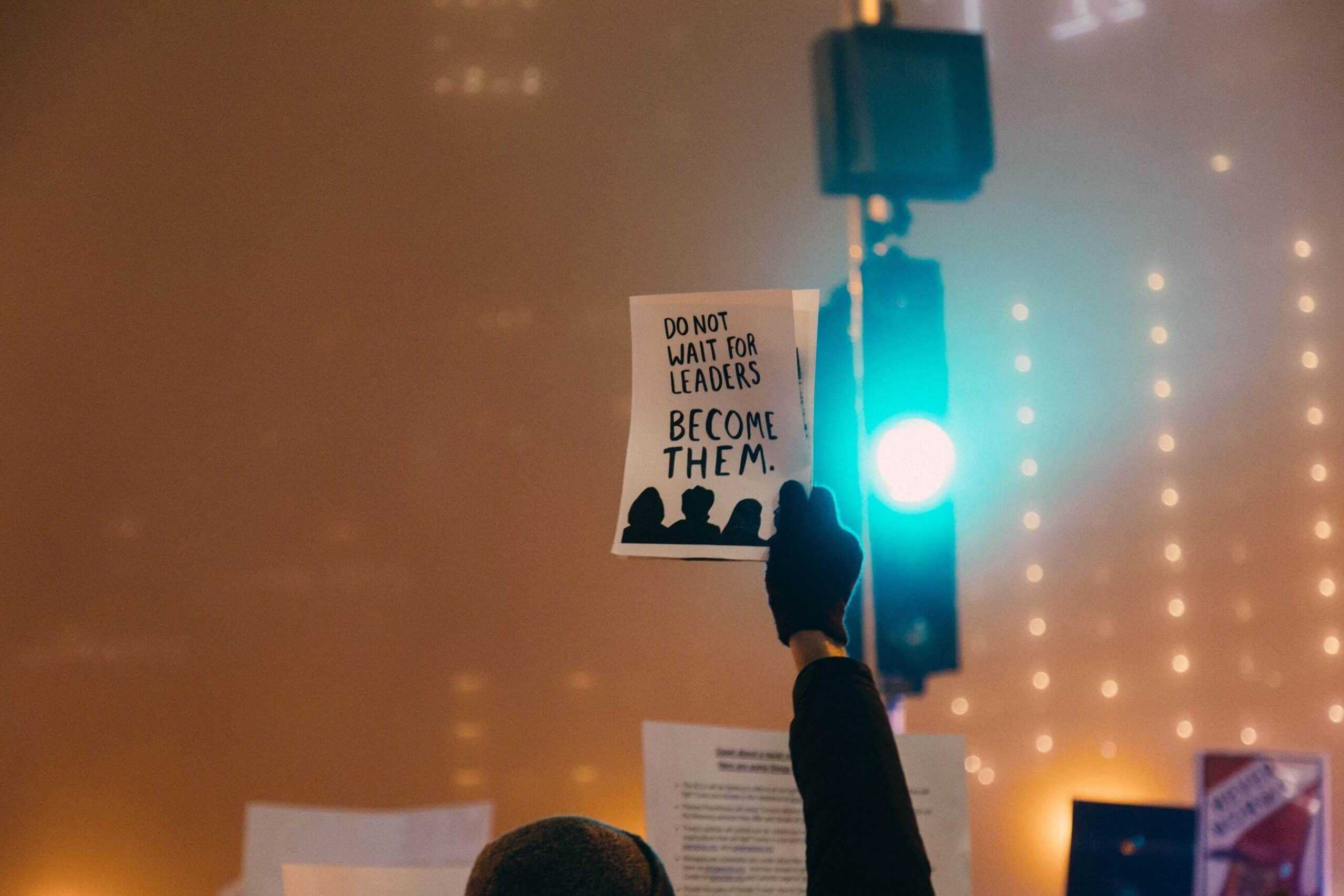

I was the opposite of self-reliant. It’s not surprising that we’re this way. It all starts when we’re born. We rely on our parents to survive. And when we become adults we should become self-reliant individuals, but funnily enough, we become even more dependent on others. When we look at ourselves, we never even consider that we might not need those things. Being part of society is great and all. But never take it too far. Otherwise, you become a dependent robot who can’t function by itself.
That’s a piece of great advice. You are completely correct, Solomon. We have to be independent and self-aware.