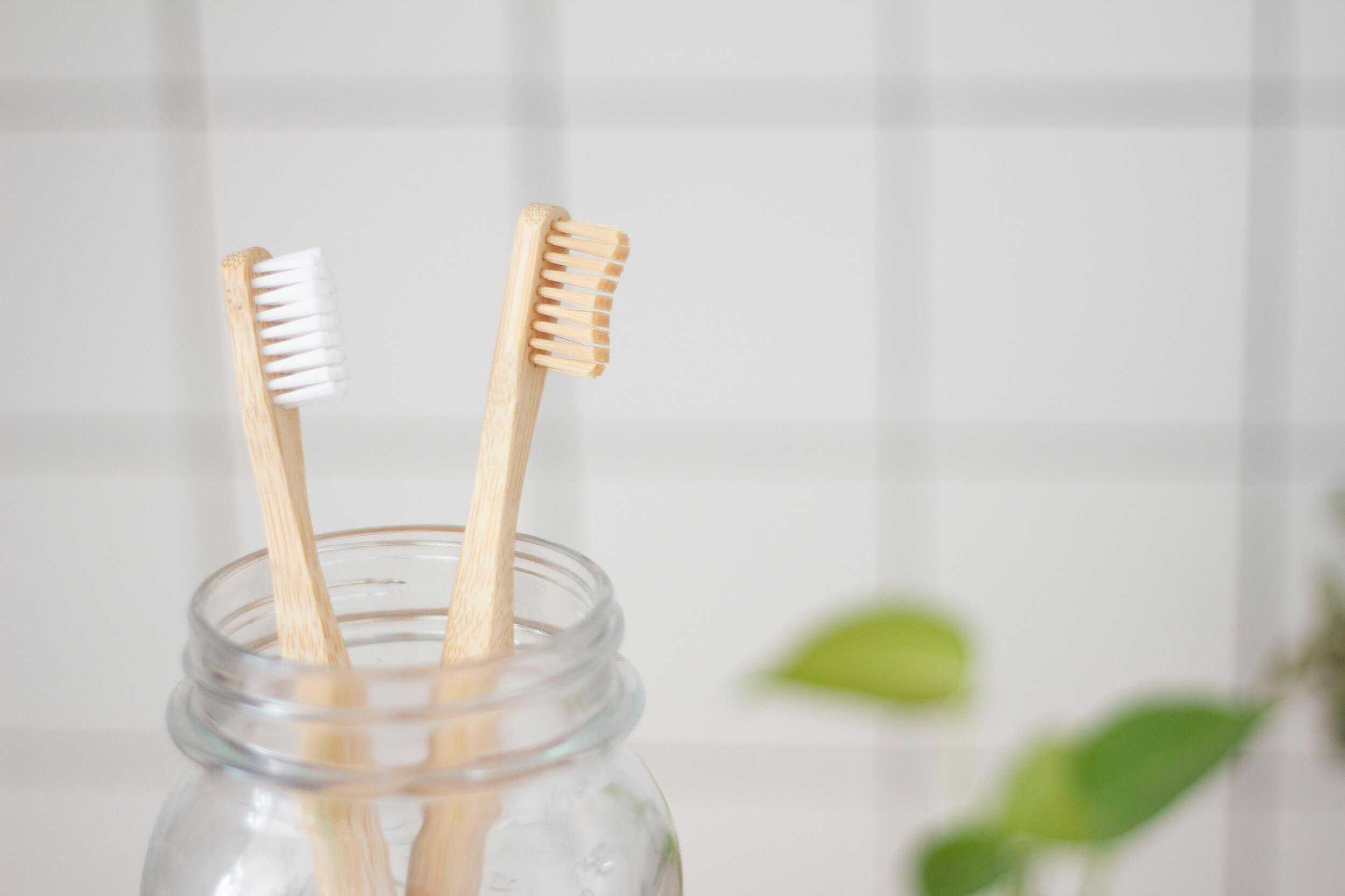
You’re standing in the oral care aisle of a pharmacy, staring at forty-seven different toothbrushes, and you’re paralyzed. There are soft bristles and medium bristles. Angled heads and flat heads. Rubber grip and plastic grip. Charcoal-infused bristles, which sounds like something an algorithm invented. And then there’s the electric section, where the prices range from fifteen dollars to three hundred and the packaging promises everything short of a dental degree.
It shouldn’t be this hard. It’s a toothbrush. You use it twice a day for two minutes and then you put it back in a cup. The fact that it’s become a consumer decision worthy of research and comparison shopping says more about marketing than it does about dental science.
Here’s what actually matters.
Soft Bristles. Always.
This is the single most important decision, and it’s the one most people get wrong. Medium and hard bristles feel like they’re doing more work. They’re not. They’re doing more damage.
Your tooth enamel is the hardest substance in your body, but it’s not indestructible. Medium and hard bristles, combined with the pressure most people apply, gradually wear down enamel and irritate gum tissue. Over years, this leads to gum recession — the gums pulling away from the teeth, exposing the sensitive root surface and creating pockets where bacteria thrive. It’s one of the most common dental problems in adults, and it’s almost entirely preventable.
Every major dental association on earth recommends soft bristles. Every one. The American Dental Association, the British Dental Association, the Australian Dental Association — they all say the same thing. Soft bristles, gentle pressure, circular motions. If your bristles are splaying outward within a few weeks, you’re pressing too hard. The brush should do the work, not your arm.
Electric vs. Manual: The Honest Answer
The research on this is frustratingly clear: electric toothbrushes produce marginally better outcomes than manual ones. A Cochrane review — the gold standard of medical evidence synthesis — found that electric brushes reduced plaque by about 21 percent more than manual brushes over a one-to-three-month period.
But here’s the caveat that the electric toothbrush industry doesn’t advertise: the difference is marginal, and it’s largely attributable to the fact that electric brushes compensate for poor technique. If you brush properly with a manual toothbrush — soft bristles, two minutes, all surfaces, gentle pressure — the difference between your outcome and an electric brush user’s outcome is negligible.
So who should go electric? People who tend to brush too aggressively (most electric brushes have pressure sensors). People who have limited manual dexterity. People who consistently brush for less than two minutes (the built-in timer helps). And people who simply enjoy the feeling and will brush more consistently because of it. Consistency matters more than technology. A manual brush used twice daily for two minutes beats a three-hundred-dollar electric brush used once a day for forty seconds.
Head Size: Smaller Than You Think
Most people default to a standard-sized brush head because it feels like it covers more territory. In reality, a smaller head is almost always better. It reaches the back molars more easily, navigates the curves of your teeth more precisely, and fits comfortably in the areas where plaque accumulates most — the gum line, the spaces between teeth, and the inside surfaces that a large brush head tends to skip.
This is especially true for the upper back teeth. Those are the ones your dentist is always pointing at during cleanings — the ones with buildup. A compact or small brush head reaches them. A large one glides over the surface without making meaningful contact.
Replace It More Often Than You Do
The standard recommendation is every three months, or sooner if the bristles are frayed. Most people ignore this. Studies suggest the average toothbrush is used for six to nine months — well past the point where the bristles have lost their structural integrity and are doing little more than pushing bacteria around.
A worn toothbrush doesn’t clean. The bristles lose their tips, which is where most of the plaque removal happens. After three months of twice-daily use, even a high-quality brush has degraded enough that its effectiveness drops significantly. Buying a new toothbrush every twelve weeks is one of the cheapest, simplest health investments you can make. Set a recurring reminder. It takes ten seconds and costs two dollars.
What Doesn’t Matter (Despite What the Packaging Says)
Bristle color. Handle shape. Tongue cleaners on the back of the head. “Diamond-shaped” bristle patterns. Charcoal infusion. Rubber massage nubs. These are marketing differentiators, not dental ones. They exist to justify price differences between products that are functionally identical.
The tongue cleaner on the back of many modern brushes is a perfect example. It’s a textured rubber pad that feels productive but does almost nothing compared to an actual tongue scraper, which costs two dollars and works ten times better. The feature exists so the packaging can list another bullet point, not because it meaningfully improves your oral health.
Don’t be fooled by complexity. A simple, soft-bristled, small-headed toothbrush with a comfortable handle is the only tool you need. Everything else is the oral care industry’s attempt to turn a commodity into a premium product.
The Two-Minute Truth
The toothbrush matters less than how you use it. Two minutes, twice a day, covering all surfaces — outer, inner, and chewing — with gentle pressure and a systematic approach (start in the same place each time so you don’t miss areas) will do more for your dental health than any product upgrade.
Most people brush for about forty-five seconds. They hit the visible front teeth, skip the insides, barely touch the back molars, and call it done. Then they wonder why their dentist keeps finding problems in exactly the areas they’re skipping.
Time yourself once. Just once. Brush the way you normally do and see how long it takes. The gap between your estimate and the actual time will be humbling. Then set a timer for two minutes and brush properly, and notice how much longer it feels. That discomfort is the gap between what you’ve been doing and what your teeth actually need.
The Bottom Line
Soft bristles. Small head. Replace every three months. Brush for two full minutes, twice a day. That’s it. That’s the entire toothbrush guide, distilled from decades of dental research and stripped of every marketing narrative designed to make you spend more money on a tool that costs less than a coffee.
Your teeth don’t care about brand loyalty. They care about consistent, gentle, thorough cleaning with a tool that’s in good condition. Give them that, and the toothbrush aisle will never overwhelm you again.