

You have a headache. Your first instinct is to open a drawer, find a pill, and wait twenty minutes. And there’s nothing wrong with that — ibuprofen and acetaminophen exist for a reason, and they work. But if you’re getting headaches regularly, the pill is treating the symptom while ignoring the pattern. And the pattern, almost always, has a cause that’s more addressable and more interesting than “take two and call me in the morning.”
Most tension headaches — the dull, pressing, band-around-the-skull variety that accounts for roughly 90 percent of all headaches — are produced by a handful of triggers so mundane that people dismiss them. Dehydration. Muscle tension. Poor sleep. Eye strain. Skipped meals. Caffeine withdrawal. None of these are dramatic. All of them are fixable. And fixing them prevents the headache rather than merely managing it after it arrives.
Here are seven remedies that address causes, not just symptoms. All are evidence-backed. None cost money. Most work within twenty to forty minutes.
1. Drink Water Before You Do Anything Else
This is the single most effective headache intervention, and it’s the one people skip most often because it feels too simple to be real. A 2012 study in the journal Family Practice found that increasing water intake by 1.5 liters per day resulted in a significant reduction in headache intensity and duration in chronic headache sufferers. Not headache medication. Water.
The mechanism is straightforward. Dehydration reduces blood volume, which reduces blood flow to the brain, which triggers pain receptors in the meninges. Your brain is floating in cerebrospinal fluid, and when your body is even mildly dehydrated, that fluid environment changes. The headache is your brain’s way of telling you that its operating conditions have degraded.
Before reaching for a pill, drink a full glass of water — sixteen ounces, not a sip — and wait twenty minutes. If the headache is dehydration-driven, it will begin to lift. If it doesn’t, move to the next intervention. But start here, because roughly half the time, this is the entire solution.
2. Release the Muscles You Don’t Know Are Clenched
Tension headaches are called tension headaches because they’re caused by sustained muscle contraction in the head, neck, and shoulders. The problem is that the contraction is usually unconscious. You’ve been clenching your jaw. Hunching your shoulders toward your ears. Squinting at a screen. Holding your phone between your ear and shoulder. The muscles have been firing for hours, and you didn’t notice until the headache announced itself.
The intervention is deliberate release. Drop your shoulders — right now, as you read this, drop them. Notice how far they moved? That distance is the tension you were holding without awareness. Open your jaw slightly, letting the teeth separate. Press your tongue to the roof of your mouth and then release it. Tilt your head slowly to each side, holding for thirty seconds. Roll your neck in a gentle circle.
These movements take two minutes and address the muscular component that no pill can fully resolve. Ibuprofen reduces inflammation. It doesn’t un-clench a jaw that’s been grinding for six hours. The release has to be physical.
3. The Caffeine Paradox
Caffeine is both a headache cause and a headache cure, which makes the advice around it confusing. Here’s the clarification.
If you drink caffeine regularly and miss your usual dose, the resulting headache is caffeine withdrawal. The blood vessels in your brain, which caffeine normally constricts, dilate in its absence, producing a throbbing pain that’s distinctive and predictable. The fix is simple: have a small amount of caffeine. A single espresso or a cup of black tea is usually enough to constrict the vessels back to their accustomed state.
If you don’t regularly consume caffeine, a small dose can help a headache from other causes. Caffeine constricts blood vessels, enhances the absorption of pain medication (this is why many OTC headache formulas include caffeine), and provides a modest analgesic effect on its own. A study in The Journal of Headache and Pain confirmed that caffeine alone can reduce headache intensity, and that combining it with standard analgesics increases their effectiveness by approximately 40 percent.
The trap: using caffeine to treat headaches so frequently that you develop caffeine dependence, which produces withdrawal headaches, which you treat with more caffeine. If you’re drinking caffeine specifically to prevent headaches, you’re in the cycle. The exit is gradual reduction over two weeks, which will produce temporary withdrawal headaches followed by a baseline where you get fewer headaches overall.
4. Apply Cold to the Back of Your Neck
This one works faster than most people expect. A cold pack — or a bag of frozen peas wrapped in a thin towel — applied to the base of the skull for fifteen minutes produces measurable vasoconstriction and a numbing effect on the occipital nerves, which are primary pain conductors for many headache types.
A 2013 study in the Hawaii Journal of Medicine and Public Health found that applying a frozen neck wrap at the onset of a migraine significantly reduced pain in participants within thirty minutes. The mechanism is both thermal (cold reduces inflammation and constricts dilated blood vessels) and neurological (cold slows nerve conduction, reducing pain signal transmission).
The back of the neck, not the forehead. The forehead feels intuitive, and many people default to placing a cold cloth there. It’s soothing but less effective. The occipital region at the skull’s base is where the major pain-conducting nerves are most superficial and most responsive to temperature intervention.
5. Step Away From the Screen
If your headache develops during or after prolonged screen use, the cause is almost certainly a combination of eye strain and sustained postural tension. The ciliary muscles in your eyes, which control focus, have been locked in a near-focus position for hours. The muscles in your neck and upper back have been in a forward-head posture. Both are exhausted, and the headache is the combined protest.
The 20-20-20 rule is the standard ophthalmological recommendation: every twenty minutes, look at something twenty feet away for twenty seconds. It sounds trivially simple. It’s also remarkably effective at preventing the eye-strain component, because it allows the ciliary muscles to release and reset.
For the postural component, stand up every thirty to sixty minutes. Not to check your phone standing up. To change your body’s position. Walk to a window. Stretch your chest open. Let your arms hang. The headache that develops at 3 p.m. after six hours of screen work didn’t start at 3 p.m. It started accumulating at 9 a.m. with every hour of sustained eye strain and immobility. Prevention is easier than treatment, and the 20-20-20 rule combined with hourly movement breaks eliminates most screen-related headaches entirely.
6. Eat Something (Specifically)
Low blood sugar triggers headaches through a mechanism similar to dehydration: reduced fuel supply to the brain, which the brain interprets as a threat and communicates through pain. If you skipped a meal, ate something high-glycemic that produced a spike and crash, or haven’t eaten in more than four hours, this may be the cause.
The fix isn’t sugar. A candy bar will spike your blood sugar, produce temporary relief, and then crash it again, producing a rebound headache. The fix is a combination of protein, fat, and complex carbohydrates: a handful of nuts, cheese and whole-grain crackers, an apple with peanut butter, yogurt with seeds. Something that stabilizes blood sugar rather than jerking it around.
If you’re getting headaches regularly in the late afternoon, track whether they correlate with meal timing. The pattern is usually obvious once you look for it: headache appears three to five hours after the last meal, resolves within thirty minutes of eating. The headache isn’t random. It’s a fuel gauge.
7. Pressure Points (The Ones That Actually Work)
Acupressure has a mixed reputation in Western medicine, but specific pressure points have enough research support to be worth trying — particularly since the intervention is free, takes two minutes, and has no side effects.
The LI4 point — the fleshy area between your thumb and index finger — has the most evidence. A randomized controlled trial published in the American Journal of Chinese Medicine found that applying firm pressure to this point for four minutes produced significant headache relief compared to a placebo. The mechanism is likely a combination of endorphin release and gate-control pain modulation (the pressure signal competes with and partially overrides the pain signal at the spinal cord level).
Apply firm, circular pressure with the opposite thumb for two minutes per hand. The pressure should be strong enough to produce a deep, achy sensation but not sharp pain. Many people report partial relief within the two-minute window. Combined with any of the other interventions on this list, it often tips the balance.
When to Stop Self-Treating
These seven remedies cover the vast majority of tension and lifestyle headaches. But headaches can also signal something more serious, and knowing when to stop treating at home and see a doctor matters.
Seek medical attention for any headache that is sudden and severe (“worst headache of my life”), accompanied by fever, stiff neck, confusion, or visual disturbances, occurs after a head injury, wakes you from sleep, or is fundamentally different in character from your usual headaches. These patterns can indicate conditions that require medical evaluation, not home remedies.
For everything else — the garden-variety tension headache, the dehydration headache, the screen-strain headache, the skipped-lunch headache — start with water, release the muscles, fix the environment, and give your body twenty minutes to respond before opening the medicine drawer. More often than not, it’s enough. And understanding why it’s enough changes your relationship with the headache from passive sufferer to active problem-solver.
Medical Disclaimer
The information provided in this article is for general informational and educational purposes only and is not intended as a substitute for professional medical advice, diagnosis, or treatment. Always seek the advice of your physician, mental health professional, or other qualified health provider with any questions you may have regarding a medical condition. Never disregard professional medical advice or delay in seeking it because of something you have read on this website. If you are experiencing a medical emergency, call your local emergency services immediately.
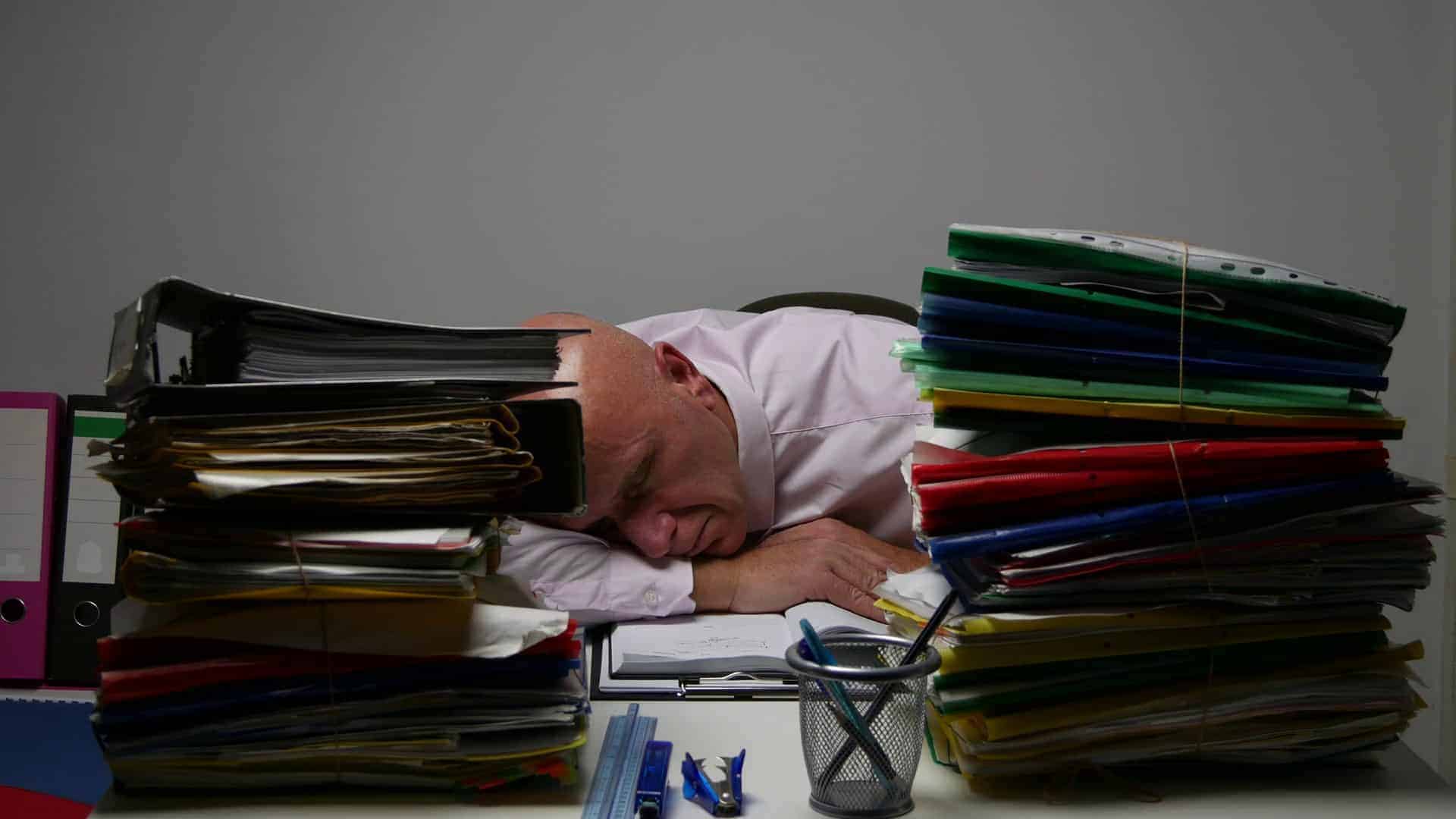


If you have headaches during the days you do not take the pills, you can avoid the sudden fall in oestrogen by taking several packs continuously without a break. The hormone changes that happen as women approach the menopause mean that all types of headache, including migraines, become more common.