Last Tuesday I ate dinner by myself at a restaurant. Not takeout at my desk. A proper sit-down dinner, with a glass of wine and a book propped against the salt shaker. The waiter asked if I was waiting for someone. I said no. He looked at me like I’d told him I collect taxidermied birds.
Somewhere along the way, being alone became synonymous with being lonely. We schedule every minute with other people, fill every silence with a podcast, reach for our phones the instant we’re left with our own thoughts. Solitude has become the thing we avoid rather than seek.
Which is a shame. Because the ability to be alone — comfortably, productively, even joyfully — is one of the most underrated life skills there is.
Alone and Lonely Are Not the Same Thing
Loneliness is the painful feeling that something is missing. It can happen in a room full of people. Some of the loneliest moments of my life have occurred at crowded parties where I couldn’t find a single real conversation.
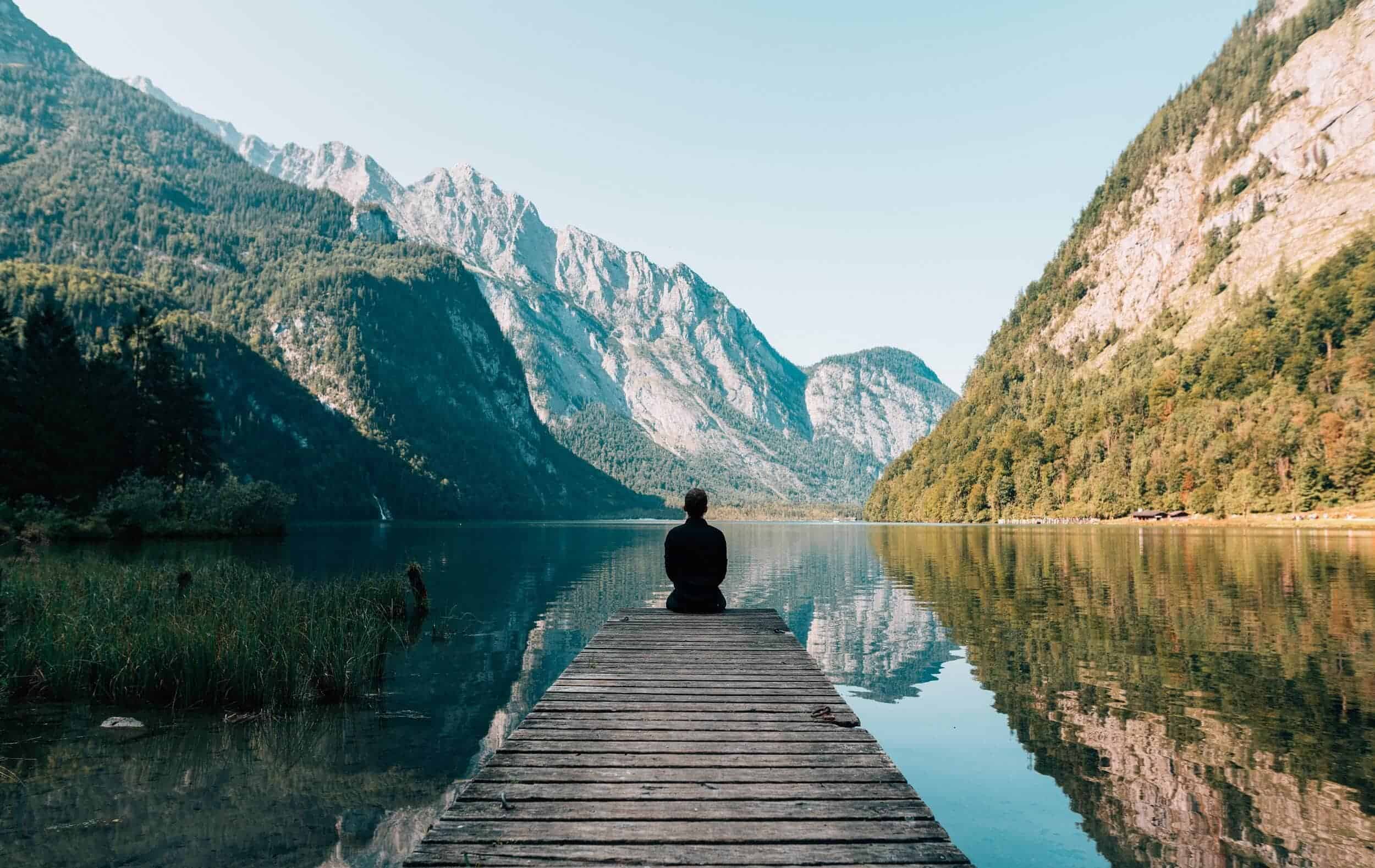
Aloneness is a state. What you do with it depends on your relationship with yourself. And that relationship, like any other, takes work.
Why We’re So Bad at This
Most of us were never taught to be alone. Childhood is a group activity. School, work — everything is built around proximity to others. Social media made it worse. Now you’re connected permanently, in your pocket. Genuine solitude has become exotic.
So when it arrives — Friday night, nowhere to be, no one texting — it feels wrong. Not because it is. Because you’ve never practiced it.
What Solitude Gives You
- Self-knowledge. You cannot know who you actually are in a constant stream of other people’s input. Solitude is where you hear your own voice.
- Creative capacity. Almost every major creative breakthrough happened alone. Not in meetings. Not in brainstorms. Behind a closed door.
- Emotional regulation. Around people, your emotional state is influenced by theirs. Solitude lets your nervous system reset.
- Better relationships. People comfortable alone choose company rather than need it. They show up as full humans, not half-people looking for completion.
How to Start
Go to a coffee shop alone. No phone. Just sit. The first ten minutes will be excruciating. By forty, something shifts — a looseness in your thinking, a quiet pleasure in having nobody to perform for.
Cook yourself a real meal. Not because you have to eat. Because the act is self-care most people only extend to guests.
Take a walk with nothing in your ears. No music, no podcast. Just your feet and whatever your brain decides to think about. This is where the interesting stuff surfaces.
Write. Not for an audience. For yourself. A journal nobody will read. The act of translating your internal world into language is one of the most clarifying things a human can do. And it only works in solitude.
The Person You’re Avoiding
Many people aren’t afraid of being alone. They’re afraid of who they are when nobody else is around. The thoughts. The feelings. The questions: Am I happy? Am I on the right path?
These questions are frightening but necessary. And they only surface honestly in solitude — because around others, we’re too busy performing to hear our own answers.
Learning to be alone is learning to be honest with yourself. Start small. Stay with the discomfort. And watch what happens when you give yourself the one thing nobody else can: your undivided attention.