Updated Weekly
Featured Posts

How to Debate Like a Pro: Master the Art of Persuasion and Argumentation
How to Debate Like a Pro: Master the Art of Persuasion and Argumentation
Read More
Capsule Wardrobe Guide: How To Create And Maintain Your Style
Capsule Wardrobe Guide: How To Create And Maintain Your Style
Read More
Moving On: How Focusing on Yourself After a Breakup Can Transform Your Life
Moving On: How Focusing on Yourself After a Breakup Can Transform Your Life
Read More
The Power of a Proper Sleep Routine: Unlocking the Benefits for Body and Mind
The Power of a Proper Sleep Routine: Unlocking the Benefits for Body and Mind
Read More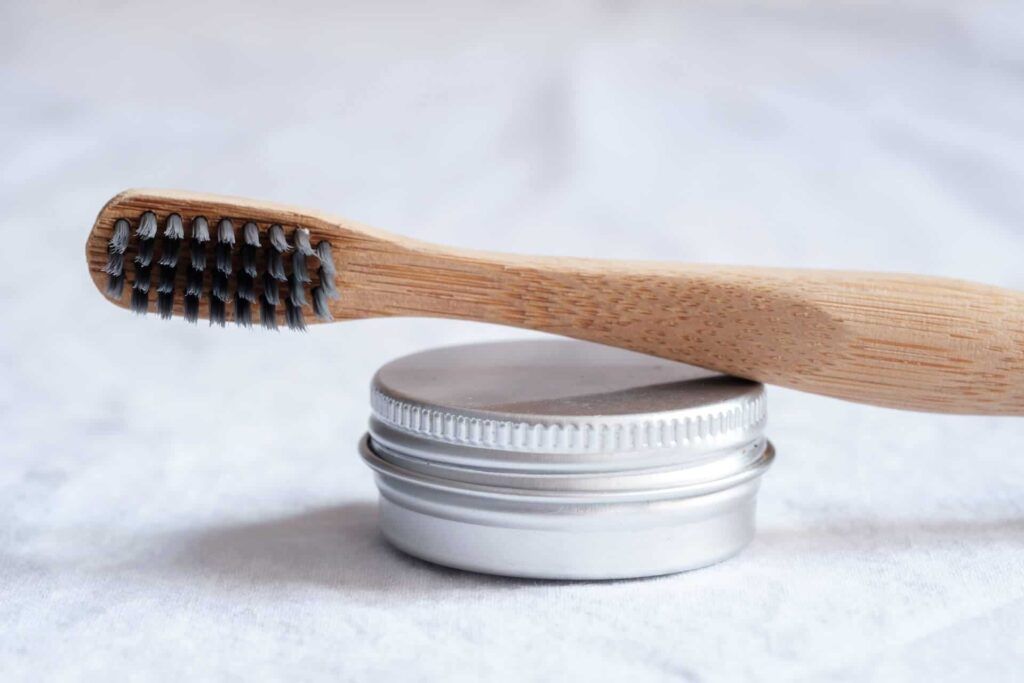
The Ultimate Guide to Oral Hygiene: Brushing, Flossing, and Irrigating Your Way to a Healthier Smile
The Ultimate Guide to Oral Hygiene: Brushing, Flossing, and Irrigating Your Way to a Healthier Smile
Read MoreLATEST✱
LATEST✱
LATEST✱
LATEST✱
LATEST✱
LATEST✱
LATEST✱
LATEST✱


Capsule Wardrobe Guide: How To Create And Maintain Your Style
Capsule Wardrobe Guide: How To Create And Maintain Your Style

The Hidden Dangers of Hitting the Gym After Drinking Alcohol
The Hidden Dangers of Hitting the Gym After Drinking Alcohol
Capsule Wardrobe Guide: How To Create And Maintain Your Style
Capsule Wardrobe Guide: How To Create And Maintain Your Style

Moving On: How Focusing on Yourself After a Breakup Can Transform Your Life
Moving On: How Focusing on Yourself After a Breakup Can Transform Your Life
The Hidden Dangers of Hitting the Gym After Drinking Alcohol
The Hidden Dangers of Hitting the Gym After Drinking Alcohol

The Power of a Proper Sleep Routine: Unlocking the Benefits for Body and Mind
The Power of a Proper Sleep Routine: Unlocking the Benefits for Body and Mind
Stay up to date and never miss out.
+1k
Join the community
Featured Headlines
Travel

The Science of Taking a Break: Why Vacations Boost Your Work Mojo
The Science of Taking a Break: Why Vacations Boost Your Work Mojo
The Science of Taking a Break: Why Vacations Boost Your Work Mojo

A list of Optional, But Important Things to Do Before You Travel
A list of Optional, But Important Things to Do Before You Travel
A list of Optional, But Important Things to Do Before You Travel

Nine Reasons, Why Travel Makes Us Happier
Nine Reasons, Why Travel Makes Us Happier
Nine Reasons, Why Travel Makes Us Happier
Business Mastery
THE STRATEGIC ADVANTAGE
The Science of Taking a Break: Why Vacations Boost Your Work Mojo
The Science of Taking a Break: Why Vacations Boost Your Work Mojo

Unleashing the Power of AI in Business: A Comprehensive Guide
Unleashing the Power of AI in Business: A Comprehensive Guide

How to Start a Business When You Have a Disability
How to Start a Business When You Have a Disability
Read More
How To Find The Profession You Love
How To Find The Profession You Love
Read More
How To Increase Attention At Work: 7 Effective Practices
How To Increase Attention At Work: 7 Effective Practices
Read MorePermit yourself to change your mind when something is no longer working for you
Personal development is the continuous journey of improving yourself, cultivating skills, and reaching your fullest potential.
Though no one can go back and make a brand new start, anyone can start from now and make a brand new ending.
The Yikigai offers expert advice and step-by-step guides, serving as a reliable companion on your path to personal and professional development.