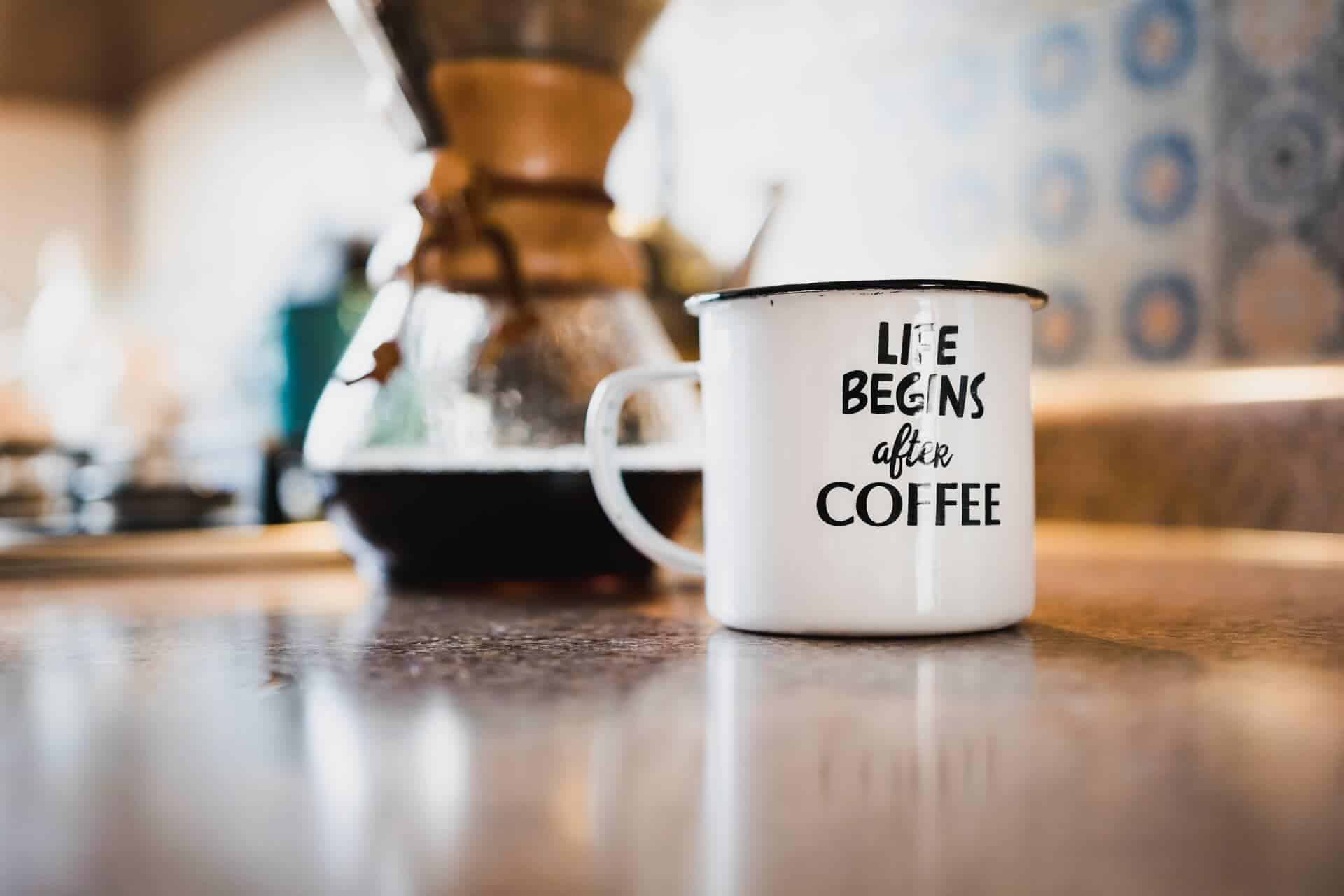
I love coffee. I love the ritual of it — the sound of the grinder, the smell that fills the kitchen, the first sip that tastes like the day is finally starting. I also, for a period of about two years, loved coffee that was destroying my sleep, shredding my stomach lining, and producing an anxiety that I didn’t connect to the three cups I was drinking before noon until a doctor asked me to stop for two weeks and the anxiety vanished.
Coffee isn’t the enemy. For most healthy adults, moderate coffee consumption (two to three cups per day) is associated with neutral or even mildly positive health outcomes. But “moderate” and “healthy” carry a lot of weight in that sentence. If you’re drinking more than three cups, if you’re sensitive to caffeine, if your sleep is suffering, if your stomach protests, or if you’ve noticed that the anxiety you attributed to your job suspiciously correlates with your coffee intake — it might be time to explore what else can occupy that cup.
Not as permanent replacements. Not as moral upgrades. Just as options, for the days or seasons when coffee isn’t working for you.
Matcha
Matcha is the replacement that coffee lovers are most likely to tolerate, because it delivers a genuine, sustained energy boost through a different mechanism than coffee. A standard cup of matcha contains roughly 70mg of caffeine (compared to coffee’s 95-200mg), but it also contains L-theanine, an amino acid that promotes calm alertness without sedation. The combination produces what regular drinkers describe as “focused energy without the jitter” — a smoother curve compared to coffee’s spike-and-crash.
The L-theanine isn’t marketing. It’s been studied extensively. A 2008 study in Nutritional Neuroscience found that L-theanine produced measurable increases in alpha brain wave activity — the pattern associated with relaxed concentration. Combined with caffeine, it improved both speed and accuracy on attention-switching tasks more than caffeine alone. You’re not imagining the difference. Your brain is measurably operating differently.
The downside: good matcha is expensive. A quality ceremonial-grade matcha runs $25-40 for a tin that produces roughly 30 servings. The cheap stuff tastes like lawn clippings. And the preparation, while simple, takes slightly more effort than pressing a button on a coffee machine. Whether the upgrade in how you feel justifies the upgrade in cost and effort is a personal calculation. For many people, it does.
Green Tea
If matcha is the premium option, green tea is the everyday workhorse. It contains the same L-theanine and caffeine combination in lower concentrations (25-50mg caffeine per cup, depending on brew time), making it suitable for people who want a gentle energy boost without the intensity of either coffee or matcha.
The health evidence for green tea is among the strongest for any beverage. Systematic reviews have linked regular green tea consumption to modest reductions in cardiovascular risk, improved insulin sensitivity, and potential cognitive protective effects. The catechins in green tea, particularly EGCG, have antioxidant and anti-inflammatory properties that are well-documented in human studies, not just in cell cultures.
The practical advantage of green tea is accessibility and cost. A quality loose-leaf green tea costs a fraction of matcha, brews in three minutes, and can be steeped multiple times. It’s the path of least resistance away from coffee for people who want something warm, caffeinated, and genuinely beneficial.
Chicory Root Coffee
If what you miss about coffee is the taste rather than the caffeine, chicory root is the closest analog. Roasted chicory produces a dark, slightly bitter, coffee-adjacent flavor that’s been used as a coffee substitute since the Napoleonic era when French coffee supplies were blockaded. New Orleans-style chicory coffee (a blend of coffee and chicory) remains a regional staple.
Chicory is naturally caffeine-free, which makes it suitable for evening drinking or for people who need to eliminate caffeine entirely. It also contains inulin, a prebiotic fiber that supports gut microbiome health. A 2015 study in the Journal of Traditional and Complementary Medicine found that chicory root extract had measurable anti-inflammatory and antioxidant effects, though the concentrations in a typical cup of chicory coffee are modest.
The taste is close enough to coffee that many people can make the switch without feeling deprived, especially if they add milk and a small amount of sweetener. It’s not identical. Nothing is. But for the ritualistic coffee drinker who associates the warm, dark, bitter cup with the start of the day, chicory preserves the ritual while removing the caffeine.
Golden Milk (Turmeric Latte)
Golden milk — a warm blend of turmeric, milk (dairy or plant-based), black pepper, and often ginger, cinnamon, and honey — occupies a different category than the options above. It’s not trying to mimic coffee or provide caffeine. It’s an entirely different ritual: warming, anti-inflammatory, and specifically suited to evening consumption or as a midday pause that doesn’t affect sleep.
Turmeric’s active compound, curcumin, has robust evidence for anti-inflammatory effects — comparable in some studies to ibuprofen for reducing markers of systemic inflammation. The black pepper is essential: piperine increases curcumin absorption by approximately 2,000 percent. Without it, most of the curcumin passes through unabsorbed. The combination matters more than either ingredient alone.
Golden milk isn’t an energy drink. It’s a comfort drink with genuine health benefits that serves a different purpose than coffee: winding down rather than ramping up. For the afternoon or evening slot that coffee used to occupy before you realized it was destroying your sleep, golden milk fills the ritual gap without the pharmacological cost.
Plain Hot Water With Lemon
This sounds almost insultingly simple. It is simple. And it works better than most people expect.
The ritual of a warm drink in the morning is, for many coffee drinkers, as important as the caffeine. The cup in your hands. The warmth in your chest. The pause before the day begins. Hot water with lemon provides all of this minus the caffeine, the acidity, and the cost. It’s gentle on the stomach, mildly hydrating, and the small amount of vitamin C from the lemon is a negligible but psychologically satisfying addition.
No, lemon water does not detoxify you, alkalize your body, or boost your metabolism in any meaningful way. The claims are overstated. But as a morning ritual that costs nothing, harms nothing, and provides a warm, pleasant start to the day without any pharmacological baggage — it’s hard to beat. Sometimes the simplest option is the most sustainable one.
How to Actually Make the Switch
Don’t quit coffee cold turkey unless you enjoy two days of headaches, fatigue, and irritability. Caffeine withdrawal is a recognized condition in the DSM-5, peaking at one to two days after cessation and resolving within a week. The humane approach is gradual reduction: replace one cup per day with an alternative, hold for a week, then replace another. Over two to three weeks, you can transition from full coffee dependence to whatever combination works for your body.
Most people don’t need to eliminate coffee entirely. They need to recalibrate. One morning cup, consumed before noon, followed by caffeine-free alternatives for the rest of the day. This preserves the ritual, provides genuine benefit (moderate coffee consumption is linked to reduced risk of type 2 diabetes, Parkinson’s, and certain cancers), and eliminates the afternoon and evening caffeine that was interfering with sleep, stomach, and anxiety.
The goal isn’t purity. It’s function. If coffee works for you — if your sleep is fine, your stomach is fine, your nerves are fine — drink your coffee. But if it’s not working and you’ve been ignoring the evidence because the alternative felt like deprivation, the alternatives are better than you think. Not better than coffee at its best. Better than coffee at its worst. And for many people, coffee at its worst is what they’ve been drinking every day without realizing it.