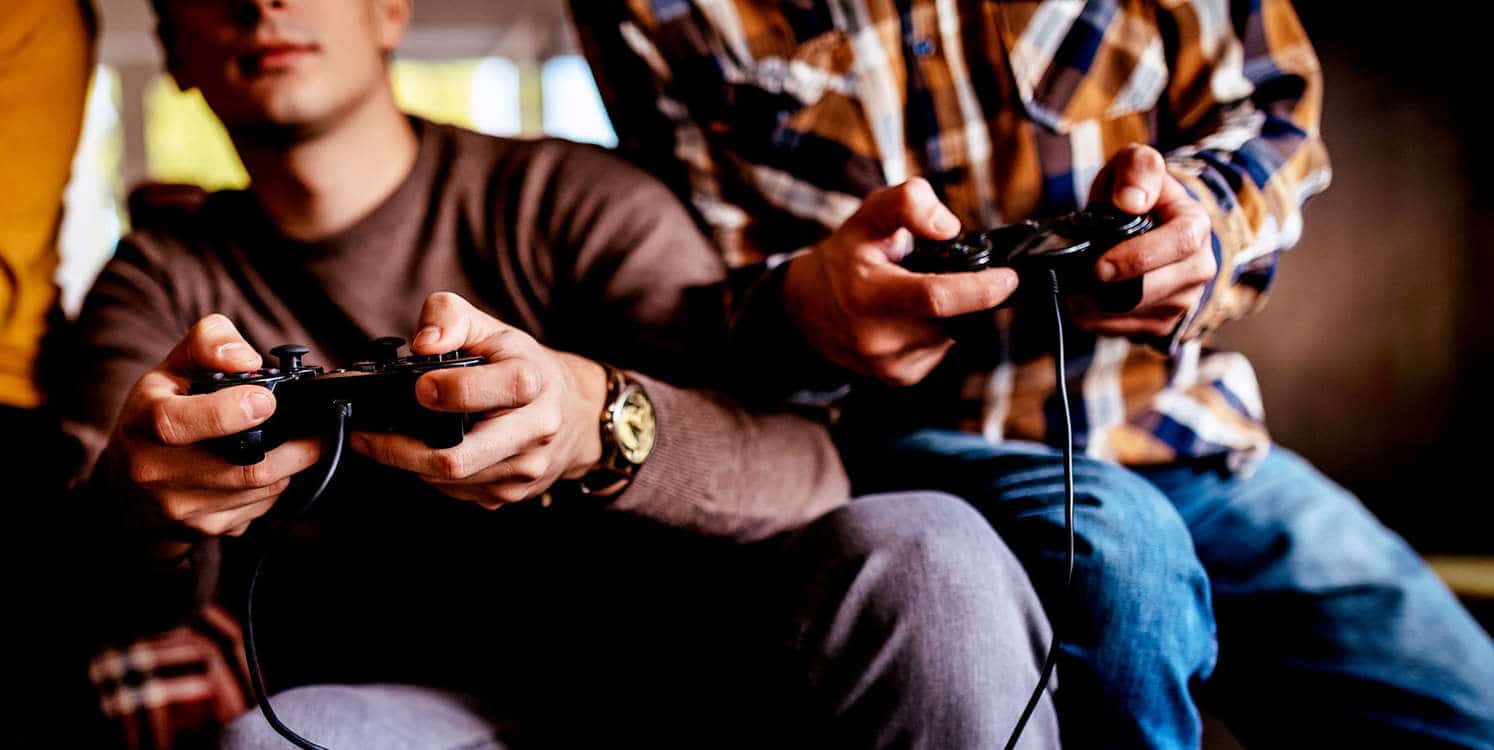
The conversation about gaming is stuck. On one side: parents, op-ed columnists, and concerned psychologists warning that video games are rotting brains, ruining attention spans, and breeding a generation of sedentary, socially stunted screen addicts. On the other: gamers, game developers, and a growing body of research pointing out that gaming improves cognitive function, builds social bonds, and provides genuine psychological benefits that traditional hobbies can’t match.
Both sides are right. Both sides are incomplete. And the honest answer that neither camp wants to give is this: gaming is exactly as harmful as you make it.
The Benefits Are Real (And Surprisingly Well-Documented)
Let’s start with what the research actually says, because the anti-gaming crowd tends to ignore this part.
Action video games — the fast-paced, reflex-heavy kind — improve visual attention, spatial reasoning, and the ability to track multiple objects simultaneously. A meta-analysis published in Psychological Bulletin found that gamers outperform non-gamers on a range of cognitive tasks, and that these improvements transfer to real-world scenarios, including driving and surgical precision. Yes, surgeons who play video games perform better in certain procedures. That’s not a gaming industry talking point. That’s peer-reviewed research.
Strategy games enhance problem-solving, planning, and the ability to manage complex systems with multiple variables. Cooperative multiplayer games build genuine social bonds — Pew Research found that a third of teenagers who’ve made friends online did so through gaming, and many of those friendships extend into offline life. For introverts, shy individuals, or people with social anxiety, gaming provides a low-pressure social environment where connection happens through shared activity rather than forced conversation.
And then there’s the stress relief function. After a brutal day at work, an hour of gaming provides the same psychological reset that other people get from running, cooking, or playing guitar. It’s immersive enough to pull your attention away from rumination, structured enough to create a sense of accomplishment, and engaging enough to produce genuine flow states — the kind of absorption where you lose track of time because you’re fully present in what you’re doing.
The Risks Are Also Real (And Mostly About Dose)
Here’s where the conversation gets uncomfortable for gamers.
Gaming for an hour or two after work is a hobby. Gaming for six hours every evening while your relationships, health, and responsibilities deteriorate is not a hobby. It’s a coping mechanism, and like all coping mechanisms, it works exactly long enough to prevent you from addressing whatever you’re actually avoiding.
The line between healthy gaming and problematic gaming isn’t measured in hours, though hours are a useful proxy. It’s measured in displacement. What is gaming replacing? If it’s replacing boredom, stress, or the desire for connection, it’s functioning normally. If it’s replacing sleep, exercise, face-to-face relationships, career development, or basic self-care, it’s become a problem — regardless of how enjoyable it feels in the moment.
The World Health Organization recognized “gaming disorder” in 2019, defining it as a pattern where gaming takes priority over other interests and daily activities, continues or escalates despite negative consequences, and causes significant impairment in personal, social, or occupational functioning. This affects a small percentage of gamers. But for those it affects, the consequences are severe and real.
The Design Problem Nobody Admits
Here’s the elephant in the room: modern games are engineered to be addictive.
Not all of them. But the free-to-play model that dominates mobile gaming and increasingly infiltrates console and PC gaming is built on behavioral psychology techniques — variable reward schedules, loss aversion, social pressure mechanics, and time-gated content — that are structurally identical to the mechanisms used in slot machines. The goal is not to create a great experience. It’s to create a compulsive one.
When people say they “can’t stop playing,” they’re not weak-willed. They’re responding to systems that were designed, by teams of behavioral scientists, to be difficult to stop. Recognizing this doesn’t mean blaming the game for your choices. It means understanding that the playing field isn’t neutral. Some games respect your time. Others are designed to extract it.
Learn to tell the difference. The game that you enjoy and then put down is serving you. The game that you don’t enjoy but can’t stop playing is using you.
The Sedentary Problem Is Solvable
The most legitimate health concern about gaming isn’t cognitive or social. It’s physical. Sitting for extended periods increases risk of cardiovascular disease, metabolic syndrome, and musculoskeletal problems. This isn’t unique to gaming — office work, reading, and Netflix produce the same risks — but gaming’s immersive nature makes it especially easy to lose track of time and sit in one position for hours.
The fix is simple: move. Set a timer for every hour. Stand up, stretch, walk around for five minutes. Keep water nearby so you’re forced to get up for refills and bathroom breaks. And balance your gaming time with some form of physical activity — even a twenty-minute walk before or after a gaming session makes a measurable difference.
The Honest Framework
Gaming isn’t good or bad. It’s a tool. Like any tool, its value depends entirely on how you use it.
If gaming is one part of a balanced life — alongside exercise, relationships, meaningful work, and adequate sleep — it’s a net positive. The cognitive benefits are real. The social benefits are real. The stress relief is real.
If gaming has become the thing your life is organized around — if you’re cancelling plans to play, sleeping less to play, neglecting responsibilities to play, and feeling worse about yourself after a session rather than better — something has shifted. The tool is using you.
The question isn’t “is gaming harmful?” The question is: “After I play, do I feel better or worse? Is my life expanding or contracting? Am I using gaming to enhance my life, or to escape it?”
Answer honestly. The answer is your answer.