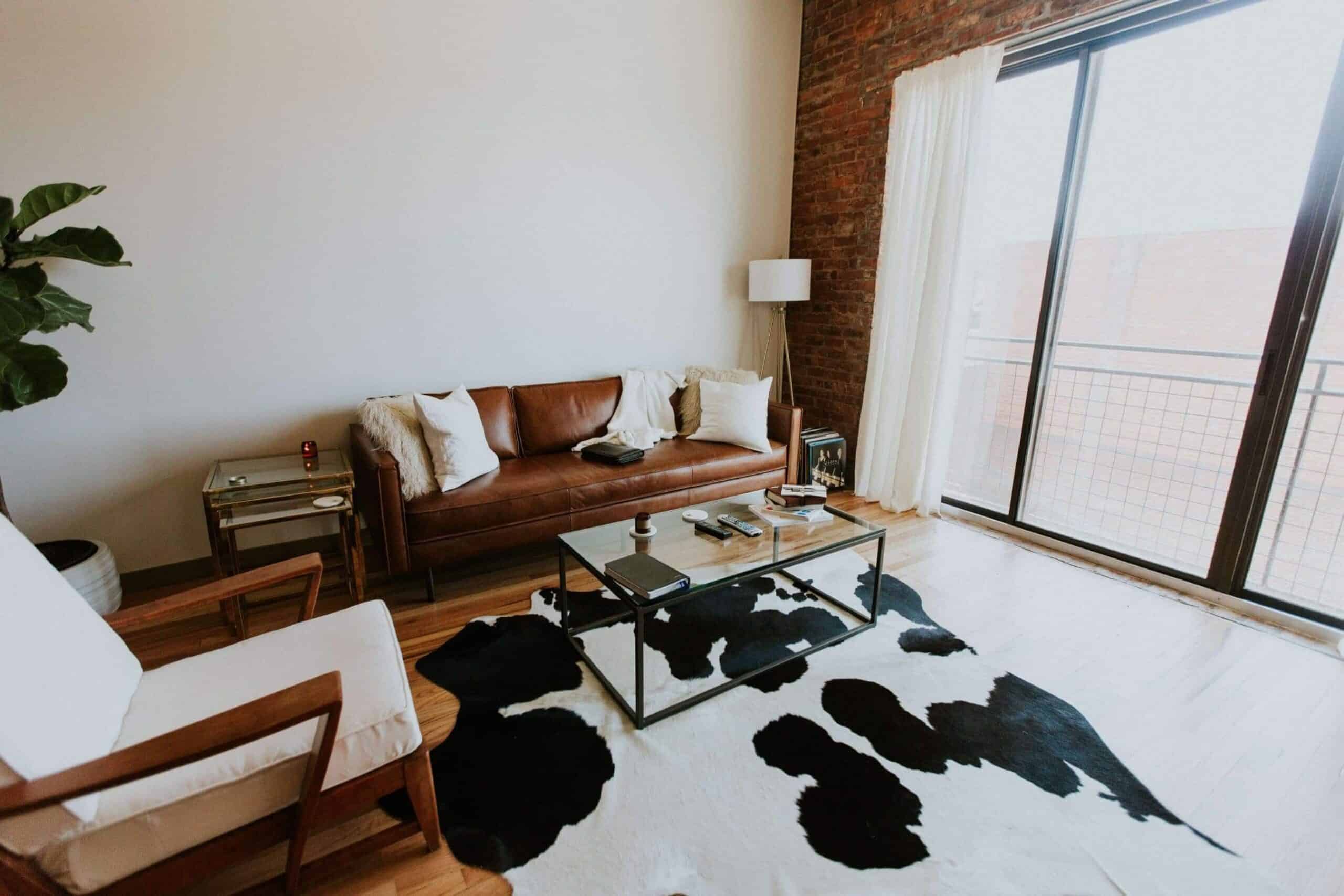
There comes a moment — and you’ll know it when it arrives — when you look around your apartment and something shifts. Maybe it’s when you bring someone home and see the space through their eyes for the first time. The IKEA furniture you assembled three years ago and never quite tightened. The mismatched plates from four different households. The poster tacked to the wall with putty instead of framed. The pile of shoes by the door that isn’t a shoe rack so much as a geological formation.
None of this is a crime. But it tells a story. And the story it tells is: the person who lives here hasn’t fully committed to living here.
Your apartment is not just where you sleep. It’s a physical expression of how you relate to your own life. When it’s chaotic, your mind tends to be chaotic. When it’s neglected, you tend to feel neglected. And when it’s intentional — when every object is there because you chose it, not because it drifted in — something in you settles. You feel, in a way that’s hard to articulate, more like an adult.
Step One: Subtract Before You Add
The instinct, when you decide to upgrade your living space, is to buy things. New lamp. New rug. New throw pillows. Don’t start there. Start by removing.
Walk through every room and ask: if I were moving tomorrow, would I pack this? The boxing gloves from a phase that lasted two months. The pile of cables for devices you no longer own. The textbooks from university that you keep because throwing them away feels like admitting you’ll never reread them. (You won’t.)
Clutter isn’t just visual noise. It’s decision residue. Every object you own that doesn’t serve a purpose or bring genuine satisfaction is a tiny, ongoing decision that your brain has to manage: keep it or toss it? Every time you see it, the question fires and goes unanswered. Remove the object, remove the question. Your apartment gets cleaner and your head gets quieter.
Step Two: Match Your Things
This sounds superficial. It’s not. The difference between a college apartment and an adult home is often as simple as coherence. Your plates match. Your towels are the same color. Your mugs don’t look like they were assembled from six different garage sales.
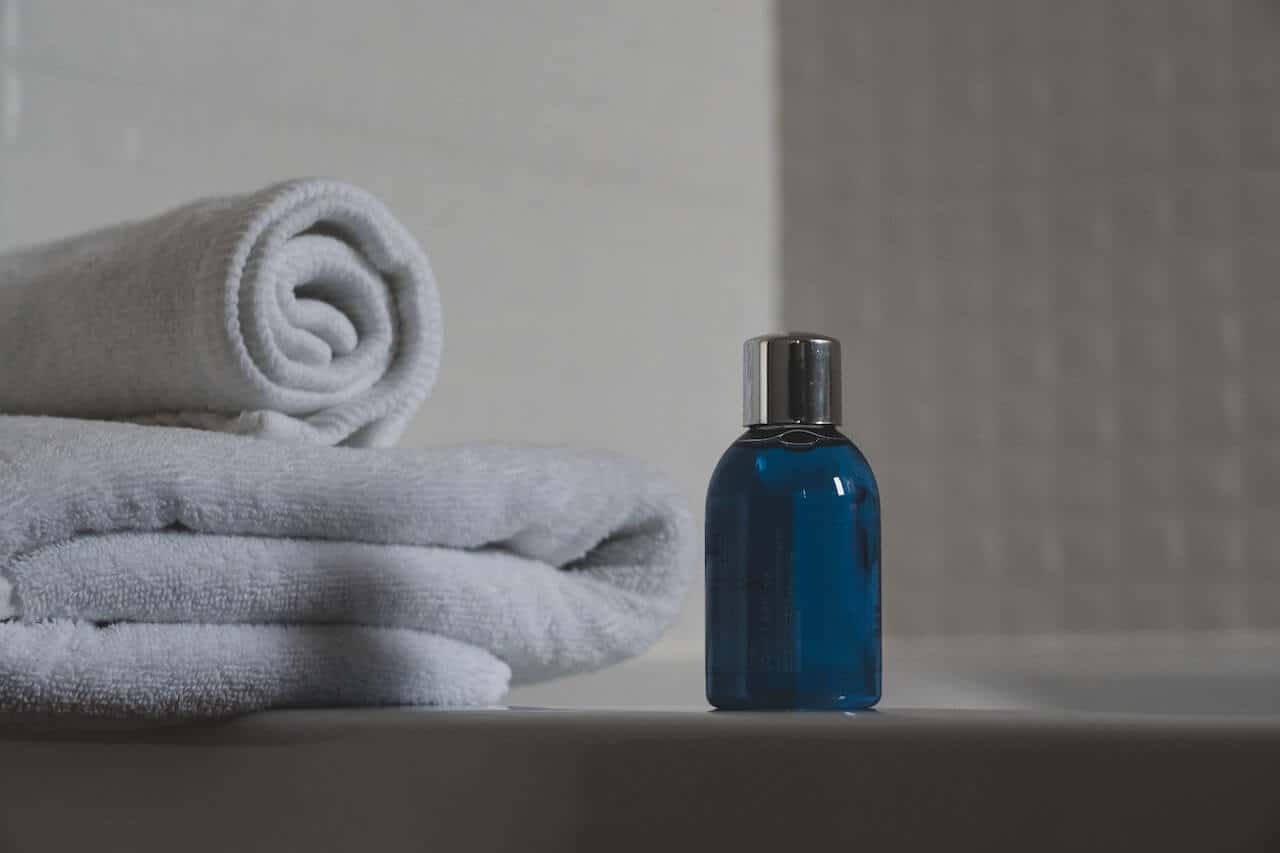
You don’t need expensive things. You need intentional things. A set of plain white plates from IKEA costs almost nothing and transforms a kitchen. Matching towels in a single neutral color make a bathroom look like it belongs to someone who has their life at least 60% figured out. A consistent color palette across a room — even just two or three colors — creates a visual calm that your brain registers even if you can’t name it.
The rule of thumb: would you be comfortable if someone you respect dropped by unannounced? Not “magazine-ready.” Just… not embarrassed. That’s the bar. It’s lower than you think and higher than most people clear.
Step Three: Solve the Kitchen Problem
Your kitchen tells the truth about you more ruthlessly than any other room. A sink full of dishes says one thing. A clean counter with a bowl of fruit says another. Neither is a moral statement — but both shape how you feel every time you walk in.
The simplest habit that changes everything: wash dishes immediately after eating. Not “later tonight.” Not “before bed.” Immediately. It takes three minutes. And the cumulative effect of always walking into a clean kitchen is disproportionate to the effort involved. It’s a small daily victory that sets the tone for larger ones.
Stock your kitchen with real food. Not just beer and frozen pizza. Eggs, bread, coffee, olive oil, salt, pepper, one good knife. You don’t need to become a chef. You need to be able to feed yourself and, occasionally, another person without reaching for a delivery app. That capability — the ability to produce a simple, decent meal from your own kitchen — is one of the quietest forms of self-sufficiency there is.
Step Four: Claim Your Walls
Bare walls are the hallmark of the temporary resident. The person who hasn’t decided whether they’re staying. You might not be staying — that’s fine. But while you’re here, the space should feel inhabited, not occupied.
Frame things. It doesn’t matter what. A print you like. A photograph from a trip that mattered. A page torn from a book that stopped you mid-sentence. The act of framing something and hanging it on a wall is a declaration: I live here. I chose this. This is mine.
Avoid the obvious: generic motivational posters, mass-produced canvas art, anything that could hang in a dentist’s waiting room. Your walls should reflect your taste, not the algorithm’s. If you don’t know what your taste is yet, that’s fine — discovering it is part of the project.
Step Five: Make Your Bedroom a Place, Not a Storage Unit
Your bedroom should do exactly two things: help you sleep and make you feel peaceful. If it’s also your office, your gym, your dining room, and your storage closet, it’s doing none of those things well.
Invest in decent bedding. Not luxury — just quality. Sheets that feel good against your skin. A pillow that actually supports your neck. A comforter that’s the right weight for the season. You spend a third of your life in this bed. The amount you spend on it should reflect that, not be an afterthought.
Keep the bedroom dark for sleeping, cool for sleeping, and free of screens for the hour before sleeping. This is sleep hygiene, and it costs nothing. The return on investment — better rest, better mood, better everything — is enormous.
Step Six: Stop Performing, Start Living
The point of improving your apartment is not to impress visitors. It’s to live better. A space designed to look good in photographs but function poorly in daily life defeats the purpose entirely.
Make your space work for how you actually live. If you read every night, create a reading corner with good light. If you cook frequently, organize your kitchen for efficiency, not aesthetics. If you work from home, carve out a dedicated workspace that isn’t your bed. Function first. Beauty follows naturally when a space is well-used and well-maintained.
The best apartments I’ve ever been in weren’t the most expensive. They were the most lived-in — spaces where every object had earned its place through use, not purchase. Where the bookshelf had actual books, worn and annotated. Where the kitchen showed signs of regular cooking, not decorative staging. Where the whole place felt like someone’s life, not someone’s Pinterest board.
That’s what your apartment should be. Not perfect. Yours.