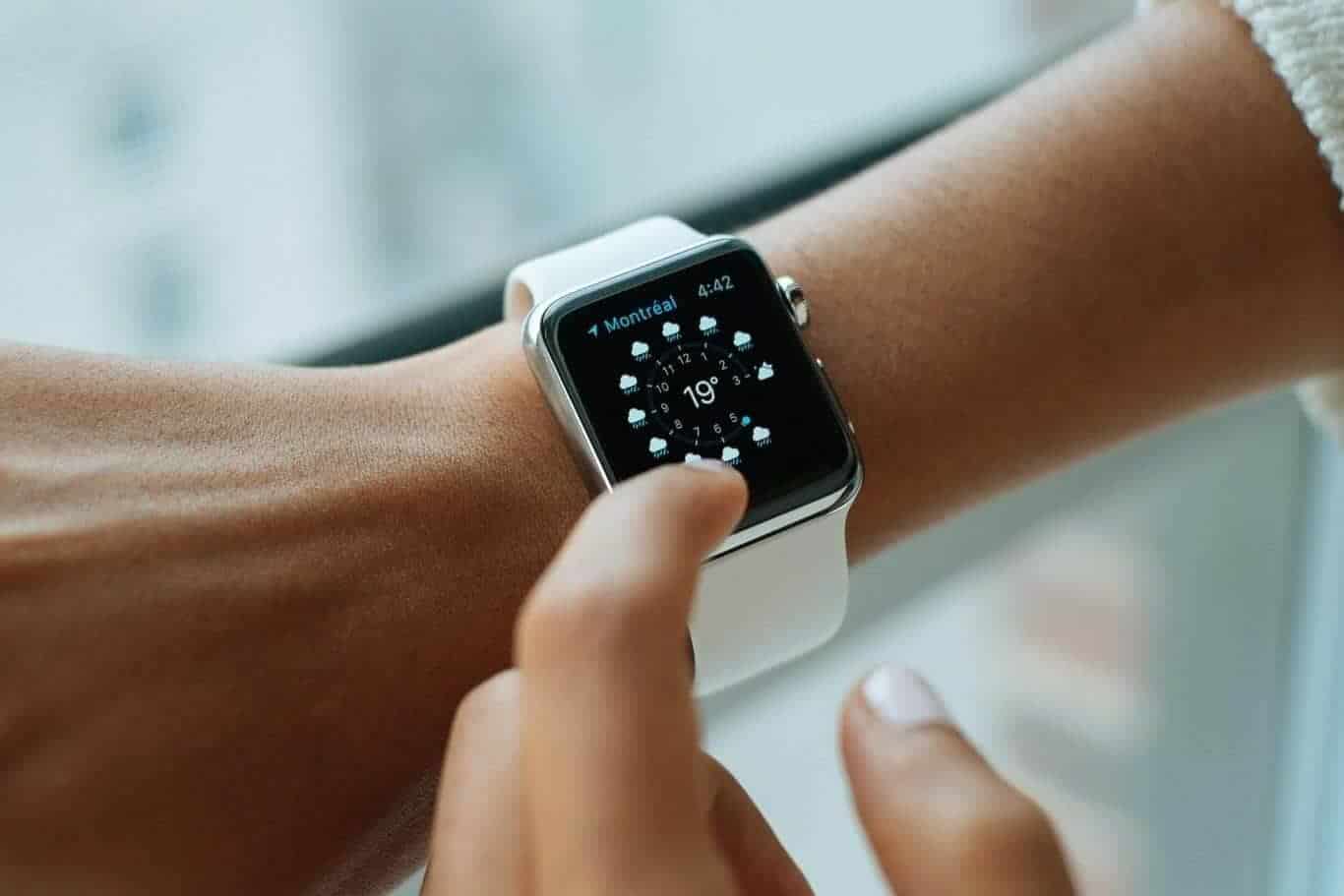
I wore a smartwatch for two years. During that time, I checked my wrist roughly 80 times a day, received approximately 14,000 notifications I didn’t need, became mildly obsessed with closing fitness rings, experienced genuine anxiety when my step count was low, and developed a habit of glancing at my wrist mid-conversation in a way that made me the kind of person I’d always disliked.
I also tracked my sleep, caught an irregular heart rate pattern that turned out to be benign but worth knowing about, and used the timer function roughly four hundred times while cooking.
That’s the honest balance sheet. And the question of whether a smartwatch is “worth it” depends entirely on which column matters more to you.
What Smartwatches Actually Do Well
Health monitoring. This is the genuine killer feature and the one that justifies the price for certain people. Modern smartwatches can detect atrial fibrillation, track blood oxygen levels, monitor heart rate variability, and provide ECG readings that, while not diagnostic, are medically informative enough that cardiologists are increasingly asking patients to bring their watch data to appointments. The Apple Watch’s fall detection has called emergency services for people who couldn’t call themselves. These are not gimmicks. They are real capabilities that have measurably saved lives.
Fitness tracking. Step counting, workout detection, calorie estimation, and activity reminders are useful for people who are building exercise habits and benefit from external accountability. The data isn’t perfectly accurate — calorie counts are estimates with significant margins of error, and step counts vary depending on arm movement — but directional accuracy is good enough to provide meaningful feedback over time.
Convenience features. Contactless payments from your wrist. Timers and alarms without reaching for your phone. Navigation buzz on your wrist while cycling or walking in an unfamiliar city. Quick weather checks. These are small quality-of-life improvements that individually feel trivial and collectively feel surprisingly useful.
What Smartwatches Do Poorly
Notifications. This is the feature most people enable first and should disable first. A smartwatch that buzzes for every email, message, social media notification, and app alert is a distraction engine strapped to your body. Your phone already interrupts you. Your watch ensures that the interruption is physically inescapable — it’s on your skin, vibrating against your wrist, demanding attention with a persistence that a phone in your pocket can’t match. Most people who report reduced satisfaction with their smartwatch trace it to notification overwhelm. Turn off everything except calls and messages from your inner circle. The watch improves immediately.
Sleep tracking. Every smartwatch advertises sleep tracking. The accuracy is moderate at best. Wrist-based accelerometers can distinguish sleep from wakefulness reasonably well, but their ability to differentiate sleep stages is significantly less reliable than clinical polysomnography. More importantly, obsessing over sleep data can produce “orthosomnia” — anxiety about sleep quality that itself worsens sleep quality. If you’re sleeping fine and feeling rested, the data adds nothing. If you’re sleeping poorly, a doctor will help more than a wrist sensor.
Productivity. No smartwatch has ever made anyone more productive. The promise of “staying connected” is the promise of being interrupted more efficiently. If your work requires deep focus, a smartwatch is a net negative — another screen, another source of stimuli, another thing pulling your attention out of the task and into the stream.
Who Actually Benefits
People with specific health conditions. If you have a cardiac condition, diabetes, or any health issue where continuous monitoring provides actionable data, a smartwatch is a genuine medical tool at a consumer price. The AFib detection alone justifies the device for anyone in a high-risk category.
People building fitness habits. If you’re in the first year of an exercise routine and external accountability helps you stay consistent, the gamification of fitness rings and step goals provides a motivational scaffold that works for many people. The data isn’t the point. The nudge is.
People who want to use their phone less. This sounds paradoxical — adding a device to reduce device usage — but it works for some people. Glancing at a watch for a quick notification check takes two seconds. Pulling out a phone takes two seconds plus the twenty minutes you spend falling into apps you didn’t intend to open. If the watch helps you leave your phone in your bag, the net screen time may actually decrease.
Who Should Skip It
People who are already overwhelmed by technology. If your phone already stresses you out, adding another screen won’t help. It will ensure that the stress follows you to the shower, the gym, and the bed.
People who want to track their way to health. A smartwatch measures movement. It doesn’t produce it. The person who walks thirty minutes a day without tracking it is healthier than the person who obsessively counts steps but doesn’t actually walk more. If data motivates you, the watch helps. If data becomes the goal instead of the behavior, the watch hurts.
People who are buying it because it’s expected. A smartwatch is not a necessary adult accessory. A regular watch tells time, looks better, lasts decades, never needs charging, and doesn’t buzz during dinner. If you don’t have a specific use case, a beautiful mechanical or quartz watch serves the same function with more style and zero notifications.
The Honest Verdict
A smartwatch is a tool. Like any tool, its value depends on the problem you’re using it to solve. If the problem is health monitoring, fitness accountability, or phone reduction, the tool is genuinely useful. If the problem is boredom, FOMO, or a vague sense that you should be more optimized, the tool will add noise without solving anything.
Before buying one, answer this question honestly: what specific behavior will change because this is on my wrist? If you have a clear, specific answer — I’ll walk more, I’ll check my phone less, I’ll monitor my heart rate — buy it. If the answer is vague — it seems useful, everyone has one, it looks cool — save your money. The best technology is the technology you use deliberately. The worst is the technology that uses you.