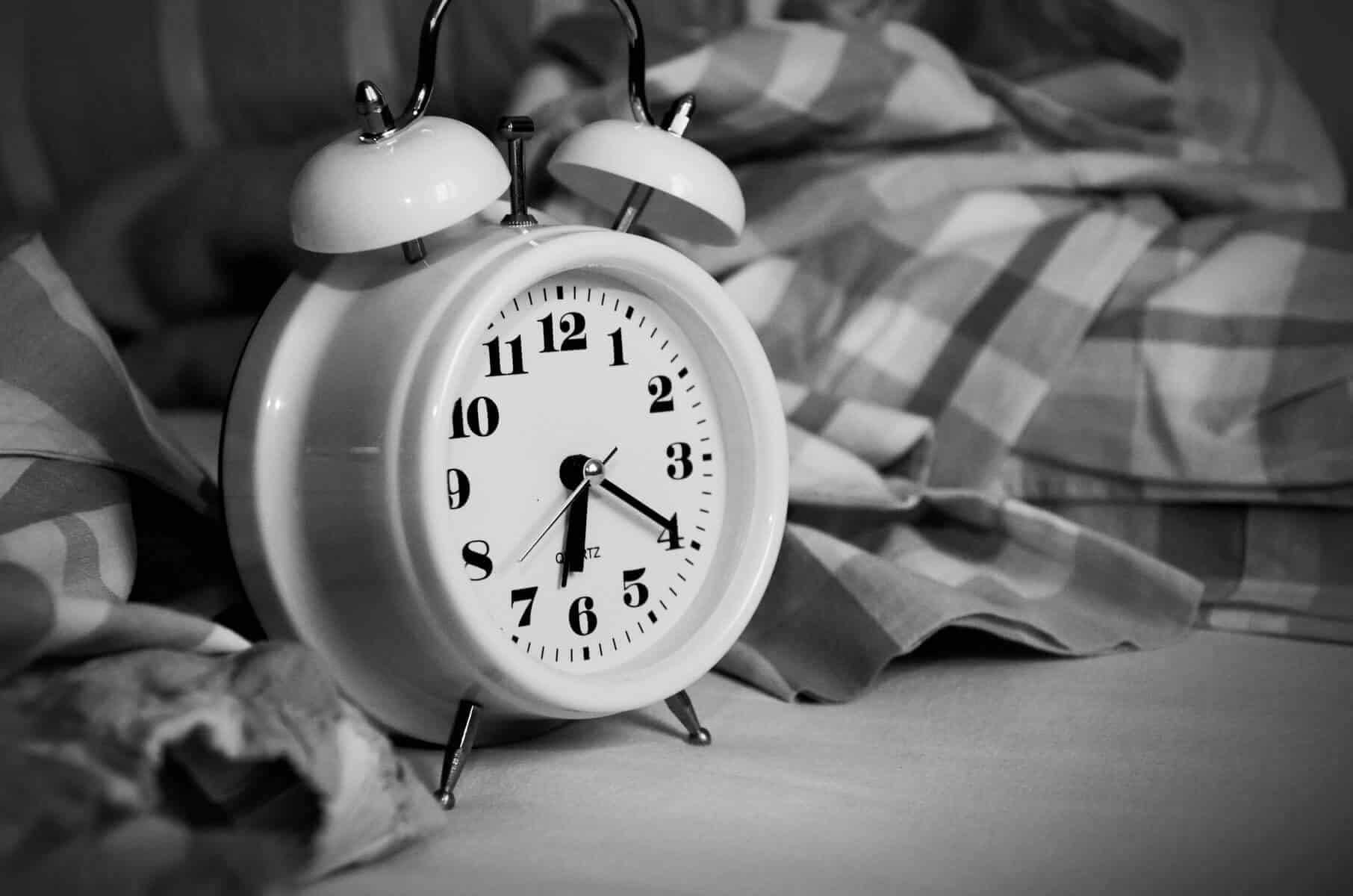
The alarm goes off at 6 a.m. You reach for it with the practiced efficiency of someone who’s been hitting snooze for a decade. Nine minutes later, it goes off again. You hit it again. And again. By the time you actually open your eyes, it’s 6:45, you’re already behind schedule, and the virtuous morning you’d planned — the meditation, the workout, the quiet coffee before the chaos — has been compressed into a frantic sprint to look presentable before you’re late.
This is not a willpower problem. The advice to “just get up” is about as useful as telling a drowning person to “just swim.” The reason you can’t wake up early isn’t that you’re lazy. It’s that you’ve been approaching it backward.
The Problem Starts at Night, Not in the Morning
Every “how to wake up early” article focuses on the morning. That’s like trying to fix a car by working only on the front bumper. The morning is the output. The night before is the input. And your input is probably terrible.
Your body runs on a circadian rhythm — a roughly 24-hour internal clock governed primarily by light exposure. When light hits your retinas, your brain suppresses melatonin (the sleep hormone) and increases cortisol (the alertness hormone). When light disappears, the process reverses.
Here’s where modern life throws a wrench into the machinery: the screen in your hand emits blue light that mimics daylight. When you scroll through your phone at 11 p.m., your brain interprets that light as “it’s still afternoon.” Melatonin production delays. You don’t feel sleepy until midnight or later. Your alarm goes off at six, you’ve had five hours of actual sleep, and willpower becomes irrelevant because your brain is operating on a neurochemical deficit.
The fix is boring and effective: stop looking at screens an hour before bed. Dim the lights in your home after 9 p.m. Set a consistent bedtime and protect it like you’d protect a work meeting. Seven to eight hours before your target wake time — that’s when you need to be asleep, not starting your bedtime routine.
Why the Snooze Button Is a Trap
The snooze button feels like a gift. It’s actually a sabotage mechanism.
When your alarm wakes you during a lighter sleep stage, you’re close to alert. When you hit snooze and fall back asleep, your brain begins a new sleep cycle. Nine minutes later, the alarm interrupts you during a deeper phase, producing what sleep scientists call “sleep inertia” — that thick, groggy, can’t-think-straight feeling that makes the whole morning feel like walking through wet cement.
The person who hit snooze three times feels worse than the person who got up on the first alarm, even though the snoozer technically slept longer. Those extra twenty-seven minutes didn’t produce rest. They produced fragmented, low-quality sleep interruptions that left the brain more confused than refreshed.
The rule is simple and non-negotiable: set one alarm. Put it across the room so you have to physically stand to reach it. When it goes off, stand up. That’s the only decision you need to make. Not “should I go to the gym?” Not “what should I do first?” Just: stand up. Everything else follows from vertical.
Your First Hour Is the Blueprint for the Day
There’s a reason the most productive people you know have morning routines. Not because they’re better humans. Because they’ve offloaded their first hour from the decision-making system entirely. The decisions were made the night before. The morning is just execution.
You don’t need a two-hour ritual. You need a repeatable sequence that requires zero thinking. Mine is: alarm, stand, water, coffee, ten minutes of reading, then either a workout or work. It’s not inspiring. It’s not Instagrammable. It just works, because by the time my brain is awake enough to negotiate, I’ve already been moving for twenty minutes and the momentum carries me.
The worst mornings are the ones with no plan. You wake up, check your phone (“just for a second”), and thirty minutes later you’re in bed reading about something you don’t care about, feeling guilty, with the morning you wanted dissolving in real time. A plan prevents this. Not a perfect plan. Any plan.
The Two-Week Calibration
You cannot shift your wake time by two hours overnight and expect it to stick. Your circadian rhythm adjusts slowly — about fifteen to twenty minutes per day. If you currently wake at 8 a.m. and want to wake at 6 a.m., you need roughly two weeks of gradual adjustment, moving your alarm earlier by fifteen minutes every two to three days.
During this calibration, you’ll feel tired. That’s normal. It’s temporary. Your body is recalibrating its sleep pressure and hormone cycles. By day ten or twelve, you’ll start waking naturally a few minutes before the alarm. That’s when you know the new rhythm has taken hold.
The critical variable is consistency. If you wake at 6 a.m. on weekdays and sleep until 10 a.m. on weekends, you’re resetting your clock every Monday. This is called “social jet lag,” and it’s one of the primary reasons people can’t establish an early-morning routine. Your body can’t adapt to a schedule that changes every five days. Pick a wake time and commit to it seven days a week, at least during the calibration period. After a month, a Saturday lie-in of an extra hour won’t derail you. But two hours will.
What to Do When Motivation Disappears
It will. Around day four or five, the novelty wears off and the biological reality sets in: your body doesn’t want to do this yet. The bed is warm. The room is dark. The voice in your head has crafted an airtight argument for why today is the exception.
This is where systems beat motivation. Motivation is a feeling. It comes and goes. Systems are structures that work regardless of how you feel. The alarm across the room is a system. The coffee maker on a timer is a system. The gym clothes laid out the night before are a system. The friend who’s meeting you at 6:30 a.m. is the most powerful system of all, because the social cost of flaking is higher than the discomfort of getting up.
Don’t rely on wanting to wake up early. Rely on having made it difficult not to.
The Payoff Nobody Mentions
Most articles sell early rising as a productivity hack. More hours, more output, more success. That’s true but incomplete.
The real payoff is psychological. When you start the day on your terms — before the inbox, before the obligations, before anyone else’s agenda has a chance to colonize your attention — you carry a quiet sense of control through the rest of the day that no amount of evening productivity can replicate. It’s the difference between running the day and being run by it.
You don’t need to be a monk. You don’t need a five-step morning ritual. You just need thirty minutes of your own time, every morning, before the world starts making demands. That’s it. Thirty minutes. And the compound effect, over months and years, is a life that feels less reactive, less frantic, and more deliberately yours.
Set the alarm. Put it across the room. Stand up. See what happens.
Medical Disclaimer
The information provided in this article is for general informational and educational purposes only and is not intended as a substitute for professional medical advice, diagnosis, or treatment. Always seek the advice of your physician, mental health professional, or other qualified health provider with any questions you may have regarding a medical condition. Never disregard professional medical advice or delay in seeking it because of something you have read on this website. If you are experiencing a medical emergency, call your local emergency services immediately.